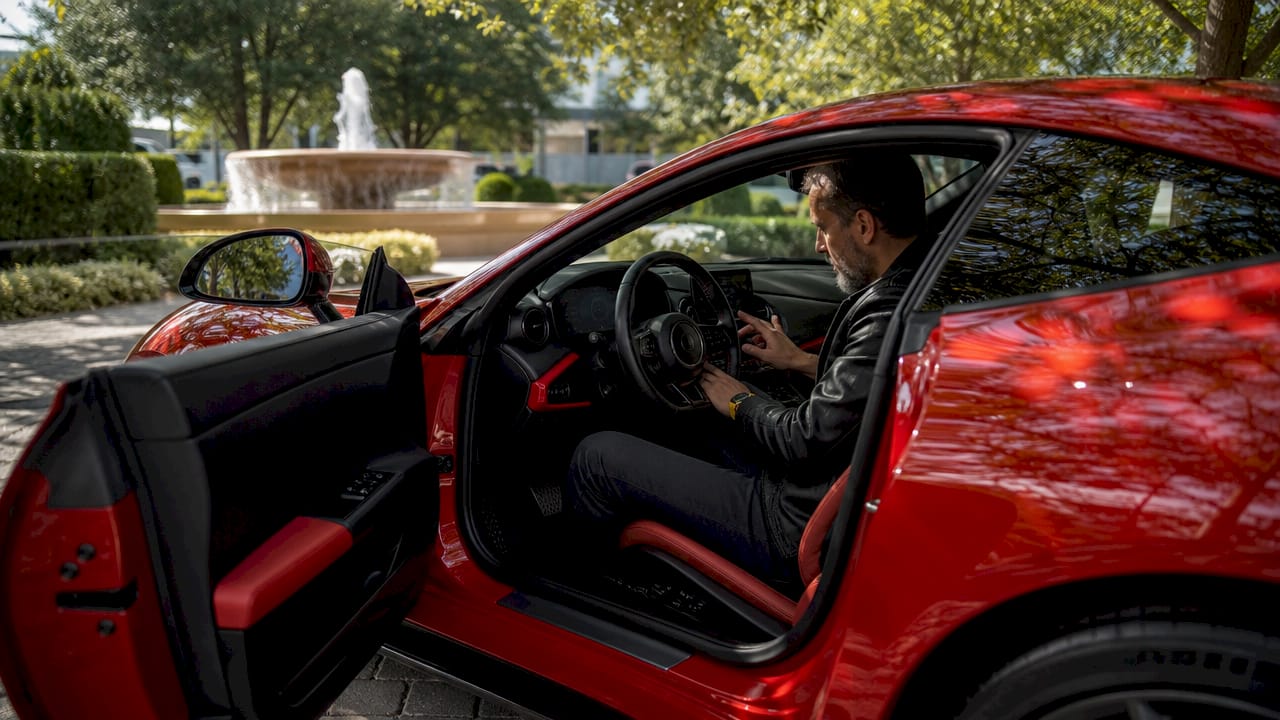
TL;DR:
- A test drive is essential for evaluating a vehicle’s real-world comfort and mechanical condition. It helps uncover hidden issues and how the car responds under normal driving conditions. Experts recommend driving for 30 to 60 minutes across various routes to make an informed buying decision.
A test drive is the single most decisive step in the car-buying process. No spec sheet, online review, or vehicle history report tells you how a car actually feels when you’re behind the wheel. The importance of test driving comes down to one fact: you cannot evaluate a vehicle’s real-world fit from a parking lot. The average passenger vehicle on US roads is 12.6 years old, which means hidden wear is common even on cars that look clean. Understanding why test drive matters buying decisions is the difference between confidence and regret.
Why does a test drive matter when buying a car?
A test drive is the buyer’s only chance to assess a vehicle under real conditions. Brochures describe horsepower. A test drive tells you whether that power feels smooth or jerky when you merge onto a highway. Visual inspections and vehicle history reports capture the past. A test drive captures right now.
The mechanical heartbeat of a car only shows up when the vehicle is moving. Expert Lynn Layton notes that test drives uncover mechanical issues that are completely invisible to visual inspections. That means transmission behavior, suspension response, and brake feel are all off the table until you actually drive the car. Skipping this step is like hiring someone without an interview.
Test driving also reveals personal fit. A car with a five-star safety rating may still have a seat that kills your lower back after 20 minutes. Cabin noise, steering weight, and pedal placement are comfort factors that only register when you’re in traffic. Frenzycars consistently finds that buyers who skip test drives report higher rates of dissatisfaction within the first six months of ownership.
What are the key aspects to evaluate during a test drive?
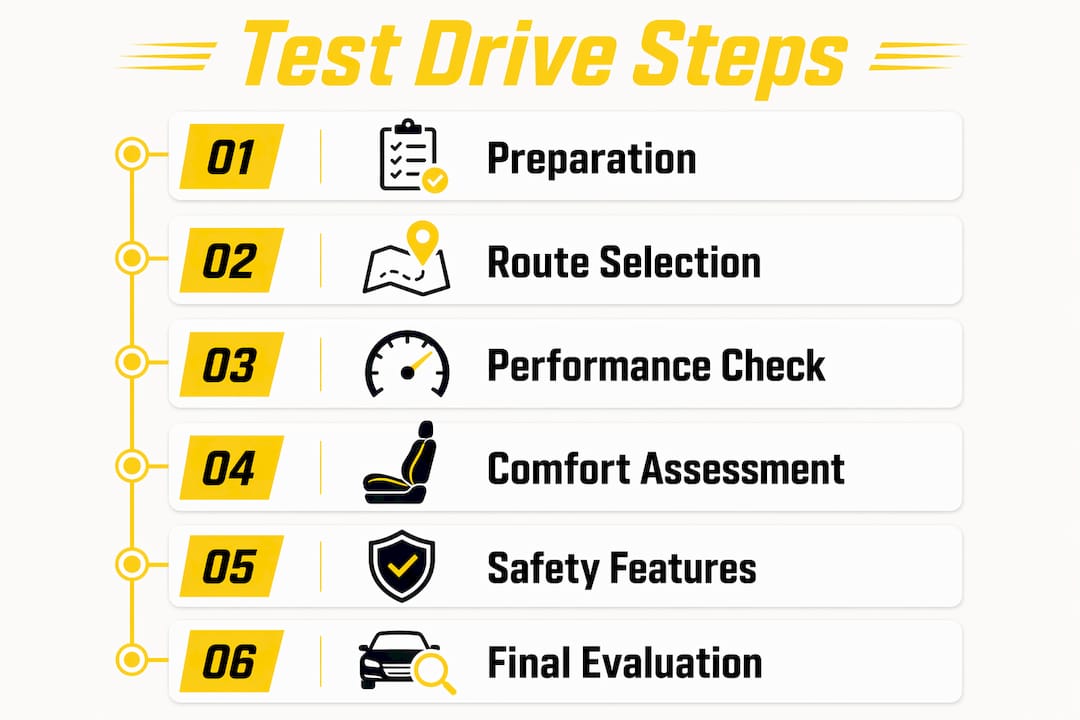
Every test drive should cover a defined checklist, not just a casual loop around the block. The goal is to stress-test the vehicle across multiple performance and comfort dimensions before you commit.
Performance and handling
Acceleration should feel linear and confident, not hesitant. Brake response needs to feel firm and even, with no pulling to one side. Steering should give you clear feedback from the road without feeling vague or overly heavy. Test the car’s behavior at highway speeds, not just in a parking lot.

Comfort and ergonomics
Adjust the seat, mirrors, and steering column before you move. Check whether the driving position feels natural after 10 minutes, not just at first. Visibility over the hood and through the rear window matters more than most buyers realize. Cabin noise at 60 mph is a comfort factor that spec sheets never mention.
Safety feature operation
Modern vehicles come loaded with driver assistance systems. Blind-spot monitoring, lane-keep assist, and adaptive cruise control all need to be tested while moving. A feature that works poorly or triggers false alerts will frustrate you every single day. Test these systems in the conditions you actually drive in.
- Acceleration and braking feel across different speeds
- Steering feedback and turning radius in tight spaces
- Seat comfort and lumbar support over 20+ minutes
- Visibility from all mirrors and over the hood
- Cabin noise level at highway speeds
- Blind-spot alerts, lane-keep assist, and parking sensors
- Infotainment responsiveness and button placement while driving
Pro Tip: Bring your usual cargo. Load the trunk with your stroller, golf bag, or work gear before the drive. Simulating everyday usage including loading personal gear is the only way to verify practical compatibility beyond raw performance.
How long and where should you conduct a thorough test drive?
Duration and route variety are the two most underrated parts of any test drive. A five-minute spin around the dealership lot tells you almost nothing useful.
Experts recommend 30–60 minutes to cover diverse road conditions. That window gives you enough time to hit stop-and-go traffic, a stretch of highway, and at least one parking scenario. It also gives the car time to warm up fully, which matters for detecting certain mechanical issues.
Plan your route before you arrive at the dealership. A well-structured test drive covers:
- Stop-and-go city traffic. This tests transmission smoothness, brake feel at low speeds, and how the car handles frequent starts and stops.
- Highway driving at 65–70 mph. This reveals wind noise, lane stability, and how the engine behaves under sustained load.
- A parking maneuver. Parallel parking or reversing into a tight space tests visibility, turning radius, and the accuracy of parking sensors.
- Your actual commute route. If you cross a rough railroad track every morning, cross it during the test drive. Real conditions beat simulated ones.
- A warm restart. After the drive, let the car idle for a few minutes, then restart it. A warm restart can expose engine or starter problems that cold starts hide.
Some dealerships offer extended or overnight test drives. Take them when available. Living with the car for even a few hours exposes handling quirks, storage limitations, and comfort issues that a 30-minute drive cannot replicate.
Pro Tip: Check whether the car fits your garage before you buy. Measure your garage opening and compare it to the vehicle’s dimensions. This is a step that buyers consistently skip and then regret.
What mechanical issues can a test drive reveal that static checks miss?
A vehicle history report tells you what happened. A test drive tells you what is happening right now. These are two very different things.
Transmission slipping, suspension wear, and uneven braking often appear only when the vehicle is under load and in motion. A transmission that slips between second and third gear will not show up on a Carfax report. Neither will a worn front strut that causes the car to pull left under hard braking.
“A test drive reveals a vehicle’s real-time response to driver inputs and road conditions. It is the mechanical heartbeat that static checks simply cannot capture.”
Listen carefully throughout the drive. Clunking over bumps points to worn suspension components. A vibration at highway speeds often signals tire or wheel balance issues. Engine hesitation during acceleration can indicate fuel delivery problems or a failing sensor. These are not minor annoyances. They are repair bills waiting to happen.
Pay attention to these specific warning signs:
- Transmission behavior: Any hesitation, slipping, or rough shift between gears
- Brake feel: Pulsing, pulling, or a soft pedal that sinks toward the floor
- Suspension noise: Clunking, rattling, or squeaking over bumps and dips
- Engine smoothness: Rough idle, hesitation on acceleration, or unusual vibration
- Steering pull: The car drifting left or right without input on a flat road
A warm restart after the drive adds one more layer of detection. Cold engines can mask starting problems that appear once the engine reaches operating temperature. This one extra step takes two minutes and can save you thousands.
How do you stay objective and avoid pressure during a test drive?
Emotional bias is the biggest threat to a good car-buying decision. A beautiful exterior and a great test drive route can make almost any car feel like the right one.
Experts warn against falling in love with the first car you test drive. The fix is simple: test drive at least three vehicles before making any decision. Comparison creates perspective. Without it, you have no baseline for what good actually feels like.
Use a scoring system. Rate each vehicle on a 1–10 scale across comfort, performance, visibility, cargo space, and technology. Numbers cut through emotion. A car that scores 7 on comfort and 6 on practicality is easier to compare objectively than one you just “have a feeling about.”
Request a solo test drive or bring a trusted companion instead of a salesperson. A salesperson in the passenger seat creates social pressure that narrows your focus. Alone or with a friend, you can think clearly, listen to the car, and talk honestly about what you notice.
- Tell the salesperson upfront that you are not buying today
- Bring your scoring sheet and fill it out immediately after each drive
- Wait at least one night before making a final decision
- Test drive your top choice a second time before signing anything
Pro Tip: Read the test drive agreement before you get in the car. It clarifies your financial liability, including insurance coverage, if something goes wrong during the drive. Knowing this removes one more source of distraction.
Key Takeaways
A thorough test drive is the most reliable tool a car buyer has for avoiding expensive mistakes and buyer’s remorse.
| Point | Details |
|---|---|
| Drive for 30–60 minutes | Cover city traffic, highway, parking, and a warm restart to assess the full picture. |
| Test mechanical condition in motion | Transmission slipping, brake pull, and suspension noise only appear when the car is moving. |
| Score each vehicle objectively | Use a 1–10 rating scale across comfort, performance, and practicality to cut through emotion. |
| Drive alone or with a companion | Removing sales pressure lets you focus on what the car actually feels and sounds like. |
| Test drive multiple vehicles | Comparing at least three cars builds the perspective needed to recognize a genuinely good fit. |
The test drive lesson I learned the hard way
I once watched a buyer fall completely in love with a used SUV after a 10-minute dealership loop. The car looked perfect. The interior smelled new. The salesperson was friendly. He signed the paperwork the same afternoon.
Three weeks later, the transmission started slipping between second and third gear. The repair estimate came in at just over $3,000. A 30-minute highway test drive would have caught it.
The test drive is not a formality. It is a diagnostic tool. Buyers who treat it that way make better decisions, full stop. The cars that feel exciting in a parking lot are not always the ones that feel right after 6,000 miles of daily commuting.
My honest advice: slow down. Take the extended drive if the dealer offers it. Bring your scoring sheet. Drive it on your actual commute. The car you buy will be part of your daily life for years. Thirty minutes of careful evaluation is the cheapest insurance you will ever get.
Patience during the test drive is not indecision. It is the most financially sound move you can make in the entire buying process.