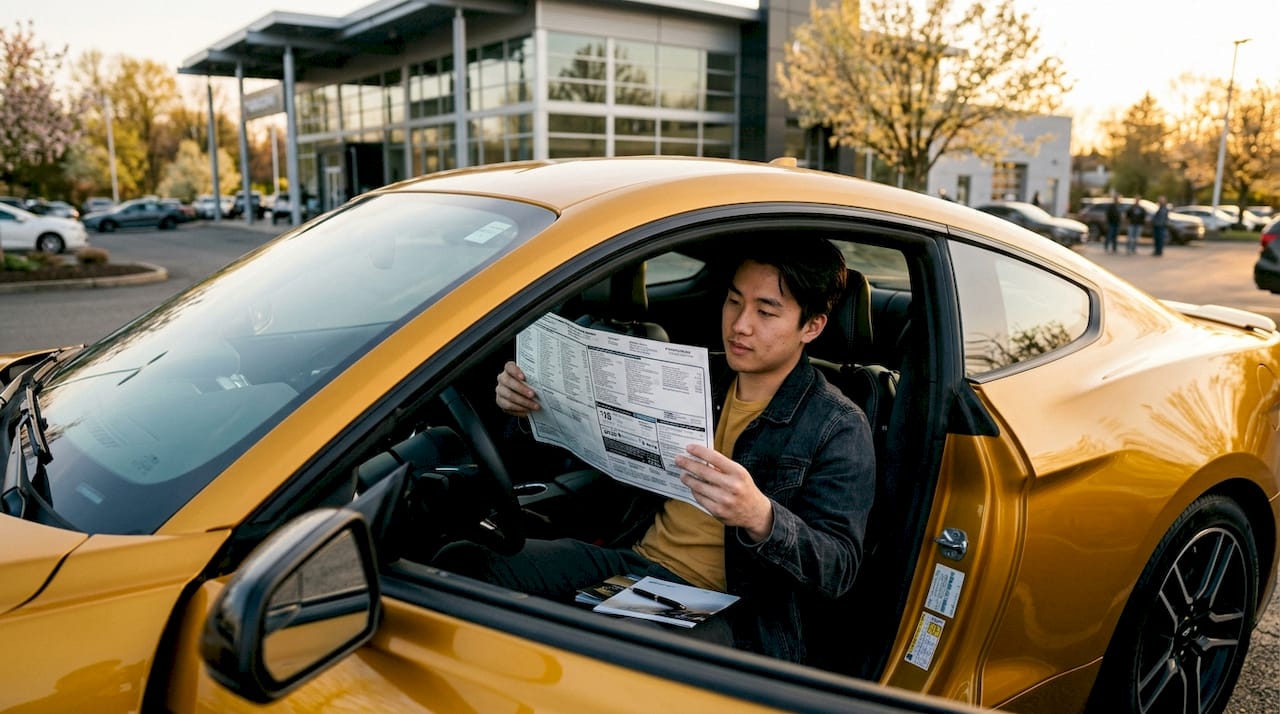
Optional packages in cars are bundles of extra features grouped together and offered beyond a vehicle’s standard trim level. Car buyers who understand how optional packages work gain real leverage at the dealership, avoid paying for features they don’t want, and make smarter decisions about long-term value. The industry term for these bundles is “factory options” or “option packages,” and they appear on every new vehicle’s Monroney window sticker with individual prices listed. The distinction between factory-installed and dealer-installed packages is the single most important concept in car customization, and it directly affects your warranty, resale value, and total purchase cost.
How do optional packages work on cars?
Optional packages are pre-grouped sets of features that manufacturers or dealers offer as upgrades to a base trim. Instead of ordering every feature individually, buyers select a named package such as a Premium Package, Technology Package, or Tow Package. Each package carries a set price that adds directly to the vehicle’s MSRP.
Manufacturers design these bundles for two reasons. First, grouping features lowers development and production costs by standardizing wiring harnesses, software, and hardware across vehicles. Second, tiered packages simplify the buying process. A buyer choosing between three option levels is easier to serve than one configuring 30 individual features. The tradeoff is that you sometimes pay for features you don’t need because they’re bundled with ones you do want.
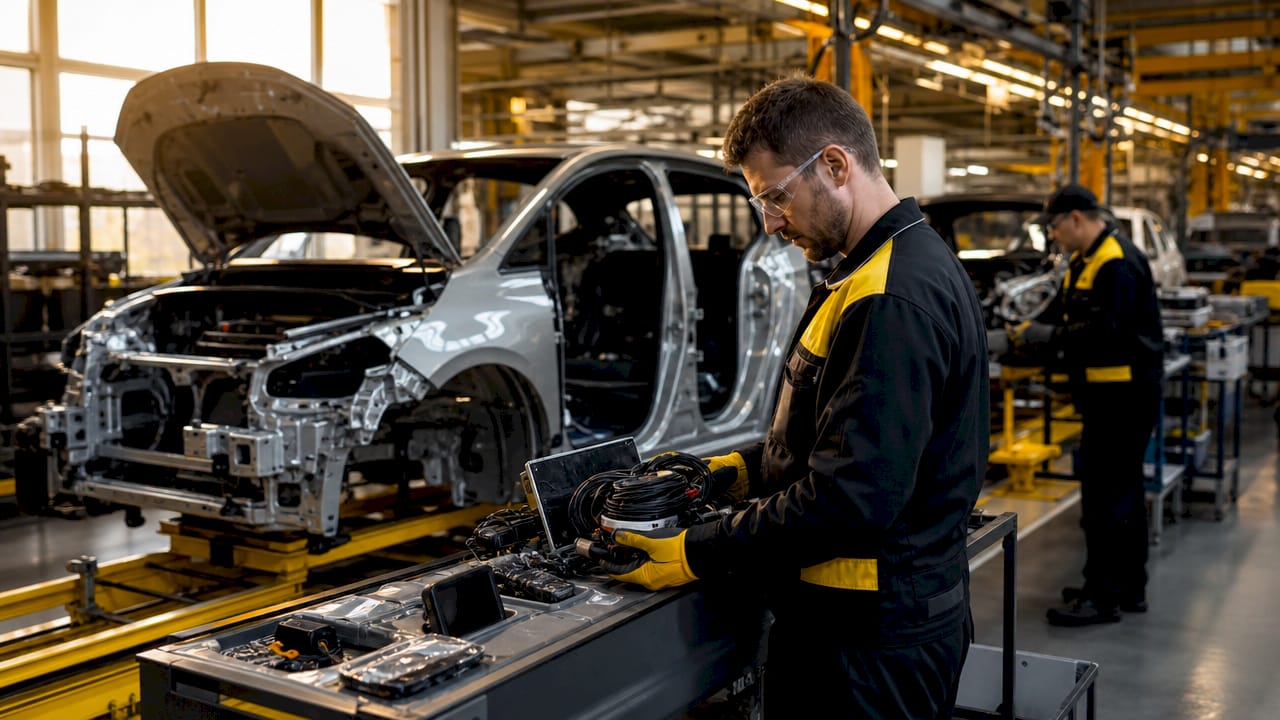
The Monroney label, the window sticker required by federal law on every new car, lists every factory option package and its price. That label is your first and most reliable tool for understanding exactly what a vehicle includes.
What are factory-installed optional packages?
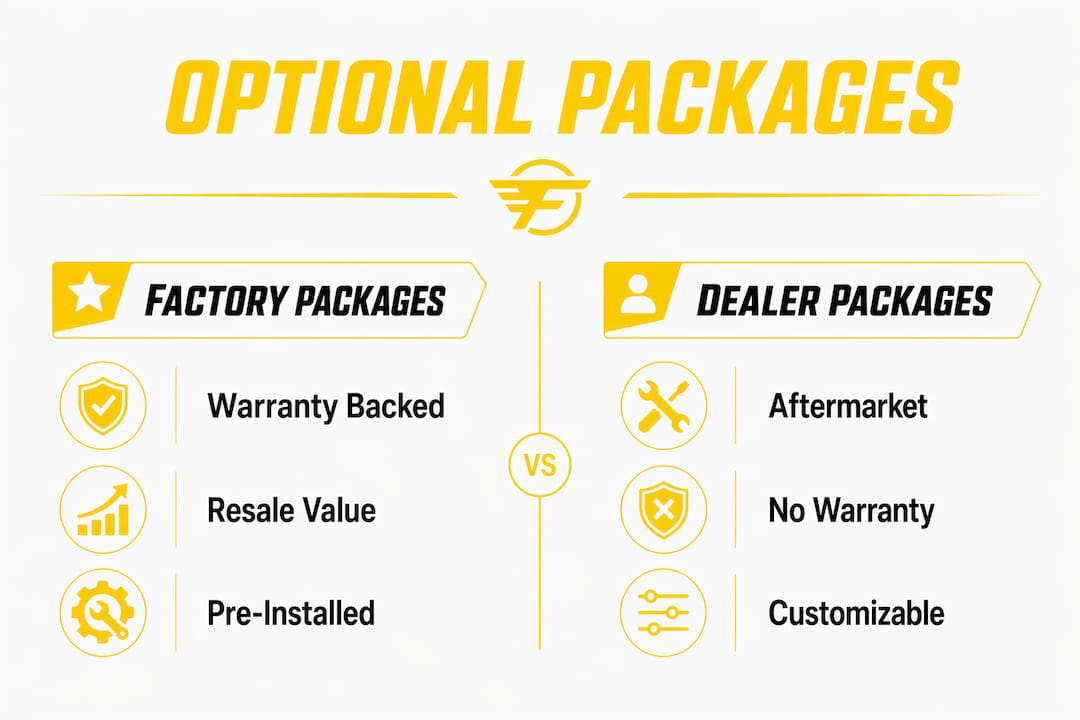
Factory-installed packages are built into the vehicle during production at the assembly plant. They are not added afterward. This matters because factory options are integrated into vehicle systems including the electrical architecture, software, and mechanical components, making them durable and fully covered by the manufacturer’s warranty.
Common factory packages include:
- Premium Package: Typically adds leather seating, a premium audio system, and upgraded interior trim.
- Technology Package: Bundles navigation, a larger infotainment screen, wireless charging, and driver assistance features.
- Tow Package: Integrates a trailer hitch receiver, upgraded transmission cooler, and trailer wiring into the vehicle’s electrical system.
- Cold Weather Package: Adds heated seats, a heated steering wheel, and sometimes a remote start system.
- Driver Assistance Package: Groups blind-spot monitoring, rear cross-traffic alert, and lane-keep assist into one add-on.
Factory packages appear on the Monroney window sticker with itemized prices, which means you can verify exactly what you’re paying for before signing anything. Pricing is consistent across dealerships for the same package on the same model year. That consistency protects you from markup games.
Factory-installed packages also carry a measurable financial upside. Factory packages can increase resale value by $5,000 to $10,000 even years after purchase. Used car buyers and valuation tools like Kelley Blue Book recognize factory options because they’re documented, standardized, and reliable.
Pro Tip: Always pull the window sticker by VIN before visiting a dealership. Free VIN decoder tools let you see every factory option on a specific vehicle before a salesperson describes it to you.
How do dealer-installed optional packages differ from factory packages?
Dealer-installed packages are added after the vehicle leaves the factory, typically in the dealership’s service bay or through a third-party installer. Common examples include paint sealant, fabric protection, nitrogen-filled tires, window tinting, and door edge guards. These are not part of the vehicle’s original engineering.
The differences from factory packages are significant:
- Warranty coverage: Dealer add-ons are not covered by the manufacturer’s warranty. If a dealer-installed accessory fails or causes damage, the manufacturer is not responsible.
- Pricing consistency: Dealer packages carry no standardized pricing. Markups are often substantial, and the same item may cost far less at an aftermarket retailer.
- Resale value: Dealer add-ons contribute minimal to zero resale value. Used car buyers and valuation guides do not recognize paint sealant or nitrogen tires as meaningful upgrades.
- Bundling tactics: Dealership accessory packages often bundle high-margin tech items with low-cost add-ons like paint sealant to inflate the perceived value of the bundle.
- Legal status: The FTC and CFPB confirm that dealer add-ons are optional. No dealer can legally require you to purchase accessories as a condition of financing or vehicle delivery.
Pro Tip: When a dealer presents an accessory package, ask for the price of each item individually. Then search that item’s aftermarket price online. The gap between the two numbers tells you exactly how much profit the dealer is making.
Which optional packages add the most long-term value?
The highest-value factory packages are those that deliver functional upgrades buyers actively seek when purchasing used vehicles. Cosmetic packages and dealer add-ons rarely recover their cost at resale.
Safety suites and factory tow packages provide the highest long-term value compared to cosmetic and dealer-installed options. Safety features like blind-spot monitoring, adaptive cruise control, and automatic emergency braking are now among the top features used car buyers search for. A factory driver assistance package typically costs $1,000 to $2,000 at purchase and returns strong value at resale because it’s documented, integrated, and recognized by valuation tools.
| Package Type | Long-Term Value | Resale Recognition |
|---|---|---|
| Safety suite (blind-spot, AEB) | High | Strong |
| Factory tow package | High | Strong |
| All-wheel drive or 4WD | High | Strong |
| Premium audio or sunroof | Moderate | Moderate |
| Cosmetic trim packages | Low | Weak |
| Dealer paint sealant | None | None |
| Dealer fabric protection | None | None |
All-wheel drive and 4WD options consistently rank among the most desirable features in used car markets, particularly in northern states and mountain regions. These are mechanical upgrades that buyers can verify and that directly affect a vehicle’s capability.
Packages that add the least value tend to be purely cosmetic or dealer-generated. Appearance packages with body kits, chrome accents, or special badging rarely translate to higher resale prices. The buyer paying a premium for those features at purchase is unlikely to recover them when selling.
How can buyers verify optional packages before purchasing?
Verification starts with the Monroney label. The window sticker is the authoritative record of all factory-installed packages, and buyers should compare any “fully loaded” claims against it directly. If a seller claims a vehicle has a Technology Package but the window sticker doesn’t list it, the claim is false.
Use these steps to verify and evaluate any optional package:
- Pull the window sticker by VIN. Free online tools decode factory options from the VIN before you visit the lot.
- Compare the sticker to the seller’s claims. Any feature not on the Monroney label is either a dealer add-on or simply absent.
- Request itemized pricing for all dealer packages. A dealer who refuses to break out individual prices is protecting a markup.
- Understand the financing impact. F&I offices often bundle accessories with financing, which means you pay interest on those add-ons over the life of the loan. A $1,500 accessory package financed over 60 months costs significantly more than $1,500.
- Treat each add-on as a separate decision. Never agree to a package at the finance desk without reviewing each item individually.
- Negotiate. Dealer add-ons are negotiable. You can ask to remove items, reduce the package price, or pay for accessories separately outside of financing.
Pro Tip: If a dealer says a package “comes with the car” and cannot be removed, ask to see that in writing. The FTC’s guidelines confirm add-ons are optional. A dealer who insists otherwise is using a pressure tactic, not stating a legal fact.
Why do manufacturers and dealers offer optional packages?
Manufacturers bundle features into tiered packages because it simplifies production planning and distributes development costs across more vehicles. Tiered option levels group common upgrades for usability but may include features a buyer doesn’t want. The tradeoff for the buyer is convenience at the cost of some control.
The word “available” in automotive marketing carries a specific meaning that trips up many buyers. “Available” means optional and at extra cost, not standard. When a brochure says “available heated seats,” that feature is not included in the base price. Only the window sticker and the build sheet confirm what a specific vehicle actually has.
Dealers offer accessory packages for a different reason entirely. These bundles are profit centers. A dealer-installed package priced at $2,500 may contain items that cost the dealer $200 to install. The markup funds dealership operations and sales commissions.
“Savvy buyers ask for itemized pricing and compare each item to aftermarket costs. The difference between dealer pricing and aftermarket pricing on the same product reveals the true markup.”
Understanding this dynamic protects you. When a finance manager presents a “protection package” at the signing table, you now know it is a profit opportunity for the dealership, not a necessity for you. Ask for the itemized list, compare prices, and decline what you don’t need.
Key Takeaways
Optional packages in cars divide into two categories: factory-installed options that add documented, warranty-backed value, and dealer-installed add-ons that are negotiable, rarely add resale value, and are often significantly marked up.
| Point | Details |
|---|---|
| Factory vs. dealer packages | Factory options are built during production and covered by warranty; dealer add-ons are not. |
| Monroney label verification | The window sticker is the only authoritative record of factory-installed packages on any vehicle. |
| High-value packages | Safety suites, tow packages, and AWD options return the strongest resale value. |
| Dealer add-ons are negotiable | FTC and CFPB guidelines confirm no dealer can require add-ons as a condition of purchase. |
| Financing risk | Bundling accessories into a loan adds interest cost; always request itemized pricing before signing. |
The detail most buyers miss at the dealership
Most buyers walk into a dealership knowing they want certain features. Very few know how to confirm those features are actually on the vehicle they’re buying. That gap is where buyers lose money.
I’ve seen buyers pay for a Technology Package that a salesperson described verbally but that never appeared on the window sticker. The fix is simple: pull the VIN-decoded window sticker before you sit down to negotiate. If the package isn’t on that document, it isn’t on the car.
The other mistake I see constantly is financing dealer add-ons without realizing it. A $2,000 accessory bundle rolled into a 72-month loan at a typical interest rate costs several hundred dollars more than the sticker price. Pay for accessories separately, or don’t pay for them at all.
My honest recommendation: prioritize factory safety packages and mechanical upgrades like AWD or a tow package. These are the options that used car buyers search for, that valuation tools recognize, and that actually affect how the vehicle performs. Skip the paint sealant. Skip the nitrogen tires. And always, always read the Monroney label before you agree to anything.
Frenzycars guides buyers through every package decision
Car buyers who understand optional packages before stepping onto the lot negotiate better, avoid unnecessary costs, and drive away with vehicles that hold their value. Frenzycars covers the full spectrum of automotive buying decisions, from expert vehicle reviews to in-depth guides on features, packages, and automotive trends.
Whether you’re evaluating a factory technology package on a new sedan or deciding whether a dealer’s protection bundle is worth the price, Frenzycars delivers the analysis you need to make a confident call. Our guides are updated regularly to reflect current model year packages, pricing shifts, and regulatory changes that affect what dealers can and cannot require you to buy.
Frequently asked questions
What is an optional package on a car?
An optional package is a bundled set of features offered beyond a vehicle’s standard trim, available at extra cost. Examples include Premium Packages, Technology Packages, and Tow Packages listed on the Monroney window sticker.
Are dealer-installed packages covered by the manufacturer’s warranty?
Dealer-installed packages are not covered by the manufacturer’s warranty. Only factory-installed options integrated during production carry full manufacturer warranty protection.
Can a dealer force you to buy an accessory package?
No. The FTC and CFPB confirm that dealer add-ons are optional and cannot be required as a condition of financing or vehicle delivery. Buyers can negotiate to remove or reduce any accessory package.
How do I verify what optional packages a car actually has?
Pull the vehicle’s Monroney window sticker using its VIN through a free online decoder. The window sticker is the definitive record of every factory-installed package and its price.
Which optional packages are worth buying?
Factory safety suites, tow packages, and all-wheel drive options consistently deliver the strongest resale value and functional benefit. Cosmetic packages and dealer add-ons rarely recover their cost at resale.