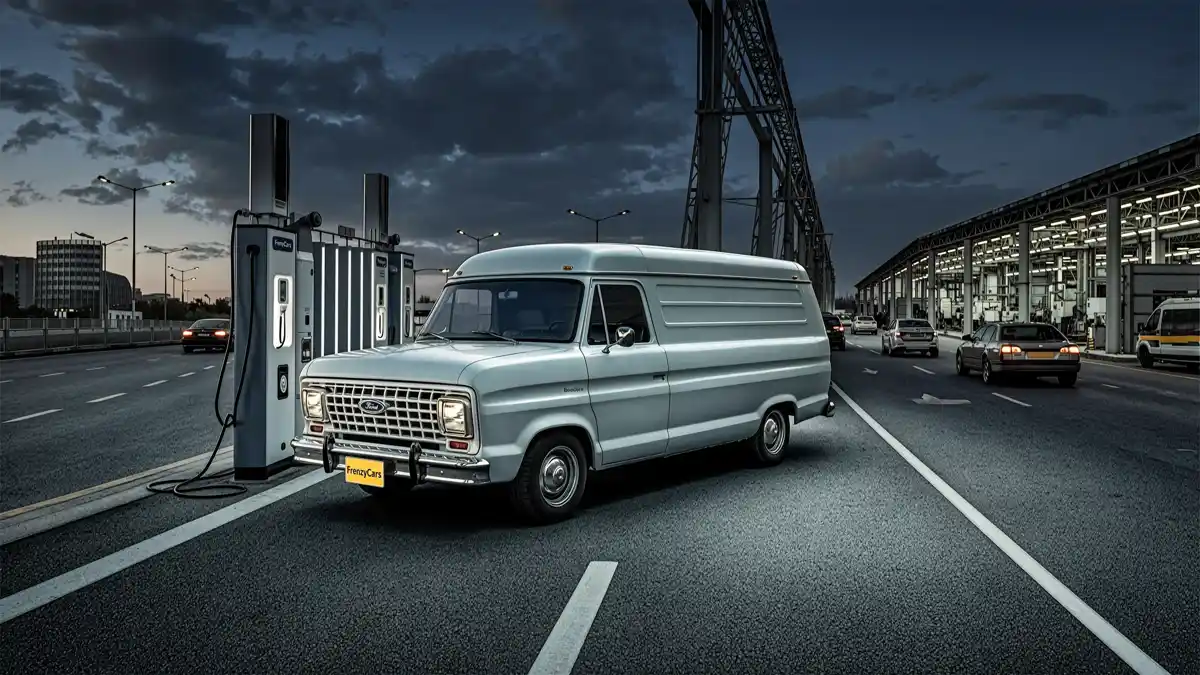
Old vehicles are very good at keeping secrets, and the 1962 Ford Econoline Bulova Racing Support Van currently under the knife at The Gentleman Racer is no exception. According to the restoration team, paint can hide repairs, trim can cover rust, decades of dirt can make ordinary wear look catastrophic, and a suspiciously clean panel can conceal an entire world of hidden damage. This is the reality of bringing a vintage racing support vehicle back to life—a project that speaks directly to the hearts of Ford enthusiasts and motorsport history buffs alike.
The Econoline itself is a landmark vehicle in Ford’s commercial lineup. Introduced in 1961 as a forward-control van, it represented a radical departure from traditional body-on-frame trucks, offering a flat floor, compact dimensions, and surprising versatility. For a brand like Bulova—famous for its precision timekeeping and deep ties to racing sponsorship—a support van needed to be not only functional but also visually striking. This particular example, a 1962 model, served as a mobile command center for timing and scoring duties, carrying equipment and personnel to tracks across the country. Decades later, it’s a rolling piece of motorsport memorabilia, and its restoration is a labor of love.
The Bulova Racing Connection: Why This Van Matters
Bulova’s involvement in racing goes back decades—the brand was a pioneer in electronic timing and sponsored everything from Indy cars to endurance events. A Bulova Racing Support Van from 1962 is not just a vintage Ford; it’s a time capsule of an era when sponsorship was personal, hand-lettered, and often accompanied by a dedicated support fleet. For collectors and enthusiasts, a vehicle like this carries provenance that no modern replica can match. The Gentleman Racer’s project isn’t just about fixing rust and laying down paint—it’s about preserving a piece of Ford’s working relationship with a legendary watchmaker. Every panel, every decal, every bracket has a story tied to the golden age of American road racing.
That significance adds pressure to the restoration. The van must not only look correct but also retain the patina of its history where appropriate. The team has to decide what to keep, what to replace, and how to balance authenticity with structural integrity. A Bulova support van that rolls out of the shop looking factory fresh might lose the character that makes it special—but a van that fails to address hidden rust will simply fall apart. This is the tightrope that restorers walk.
Paint and Body: Uncovering Decades of Secrets
The current phase of the project focuses on paint and bodywork, and as The Gentleman Racer notes, old vehicles are masters of deception. What appears to be solid metal can be paper-thin rust held together by paint. A glossy finish can hide bondo that’s crumbling from the inside. The team is methodically stripping the Econoline down to bare metal, revealing the true condition of the steel underneath. They’re finding the typical issues: rust in the lower door skins, corrosion around window frames, and the inevitable damage from decades of driving in rain and salt. But there are also pleasant surprises—solid panels that, once cleaned, show remarkably straight metal ready for a fresh coat.
Restoring a unibody van like the Econoline presents unique challenges. Unlike a body-on-frame pickup, the van’s structure is integral to its strength. Cutting out rust too aggressively can compromise the shape, and welding in new metal requires careful alignment with door gaps, roof curves, and floor pan contours. The Gentleman Racer is approaching this with the patience of a surgeon, using factory-style repairs where possible and fabricating replacement sections where originals are beyond saving. The goal is a van that not only looks the part but drives safely and reliably—because a support van that can’t support itself isn’t much use.
What This Means for Ford Enthusiasts and Restorers
For anyone who has ever dreamed of restoring a vintage Ford van, this project is a masterclass in what it takes. It’s not a weekend job, and it’s not cheap. The Bulova van is a rare bird, but its challenges are universal: rust, missing parts, questionable previous repairs. The Gentleman Racer’s detailed approach—documenting every step, sharing hard-won lessons—provides real value to the community. Whether you’re eyeing a comparable Econoline, a Falcon van, or even a Ranchero, the techniques and pitfalls are remarkably similar.
Beyond the technical, there’s the emotional payoff. When this van finally emerges from the shop with fresh paint, correct Bulova livery, and a straight body, it will turn heads at vintage races and car shows alike. It will stand as a tribute to Ford’s ability to build commercial vehicles that earned their place in motorsport history—and to the dedication of those who refuse to let that history rust away.
The restoration continues, with The Gentleman Racer documenting each step. For now, the 1962 Econoline Bulova Racing Support Van sits in a state of partial disassembly, its secrets slowly being revealed. When complete, it will be more than a restored van; it will be a time machine back to the days when racing support was hand-built, lettered by sign painters, and driven by passion. Stay tuned for updates on paint color selection, engine reassembly, and the first drive—because every old Ford deserves a second life.