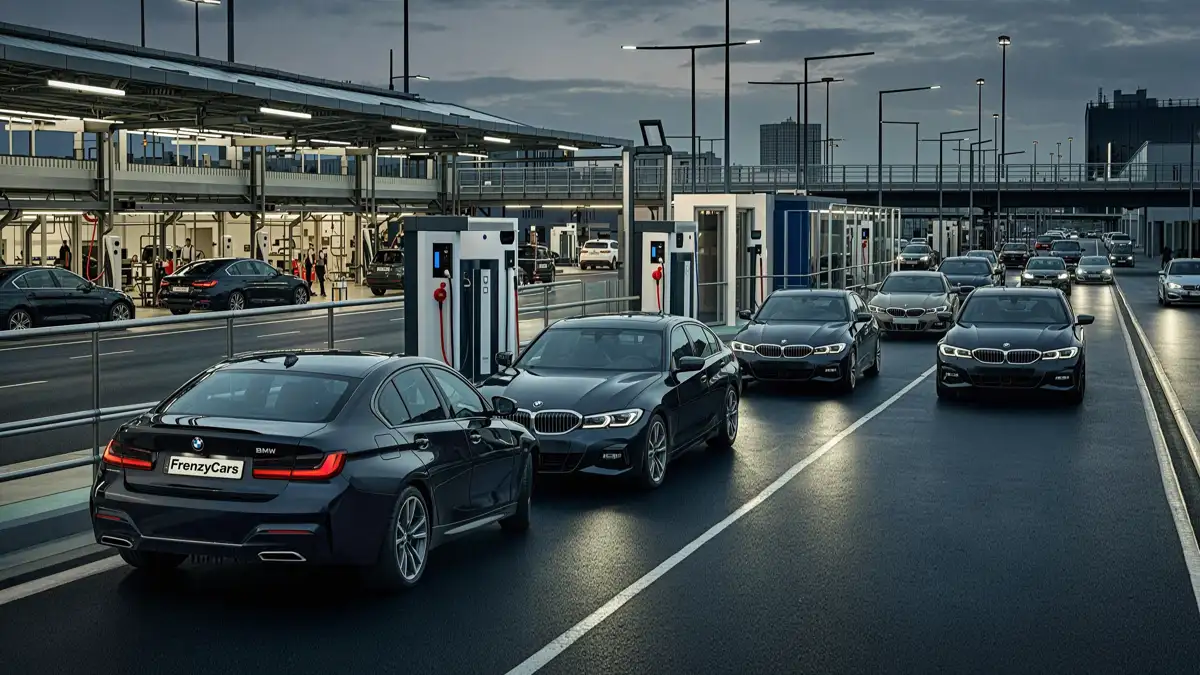
BMW has issued a recall for more than 29,000 vehicles in the United States due to a potential fire risk, according to an announcement from the automaker. The recall, which affects a yet-unspecified portion of BMW’s U.S. fleet, underscores a broader safety concern that has recently prompted large-scale actions from other major manufacturers.
While BMW has not yet disclosed which specific models, model years, or production periods are involved, the company is in the process of notifying owners and dealers. Fire-related recalls are among the most serious safety actions an automaker can take, as the risk of a vehicle fire can endanger occupants and property even when the vehicle is parked. Owners are advised to pay close attention to any official communication from BMW and to contact their local dealer for guidance as soon as recall details become available.
A Broader Industry Safety Crisis
BMW’s recall does not exist in isolation. The automotive industry has seen a string of large-scale fire-related safety actions in recent months. Kia recently expanded its recall of the Telluride SUV to cover 462,800 vehicles in the U.S. because of a front power seat motor that could overheat and cause a fire. Hyundai, along with other automakers, has also been grappling with similar issues, reflecting a wider pattern of thermal events linked to electrical components and powertrain systems.
These recalls are a stark reminder that modern vehicles, packed with electronics and high-energy systems, require rigorous thermal management. For BMW, a brand that prides itself on engineering excellence and performance, a fire-risk recall is particularly sensitive. Enthusiasts expect reliability alongside driving pleasure, and any hint of uncontrolled heat in critical systems undermines that trust.
What This Means for BMW Owners and Shoppers
For current BMW owners, the immediate step is to be alert for recall notices. The company will typically send a letter with specific instructions and arrange for a free repair at a dealership. Until then, owners should watch for any warning signs such as unusual smells, smoke, or warning lights, and avoid parking in enclosed spaces if they suspect an issue. BMW will likely replace or repair the affected components at no cost.
For those shopping for a BMW, this recall—while serious—should be viewed in the context of the brand’s overall safety record. Recalls happen across all manufacturers, and a proactive response is a sign that the company is taking the problem seriously. The lack of published specifics can be frustrating, but it is not unusual in the early stages of a recall investigation. BMW will update its owners and the National Highway Traffic Safety Administration (NHTSA) as more information becomes available.
Context: BMW’s Recent Safety and Technology Push
This recall arrives at a time when BMW is heavily investing in next-generation electric and combustion vehicles. The brand recently confirmed that its upcoming electric M3 will share the same badge as its internal-combustion counterpart, and it is launching new models like the redesigned iX1. The iX3 and Zeekr 7GT (a BMW-partnered vehicle) have scored five stars in the latest Euro NCAP tests, showing the company’s commitment to safety. Yet a fire-risk recall highlights that even the most advanced automakers can face challenges in component reliability.
Forward-Looking Closing
BMW’s recall over a fire risk affects more than 29,000 U.S. vehicles. Owners should watch their mail and the NHTSA website for the official recall notice, which will include the specific remedy and timeline for free repairs. As the investigation unfolds, expect BMW to provide further clarity on which models are affected and the root cause of the risk. For now, the company’s message is clear: safety comes first.