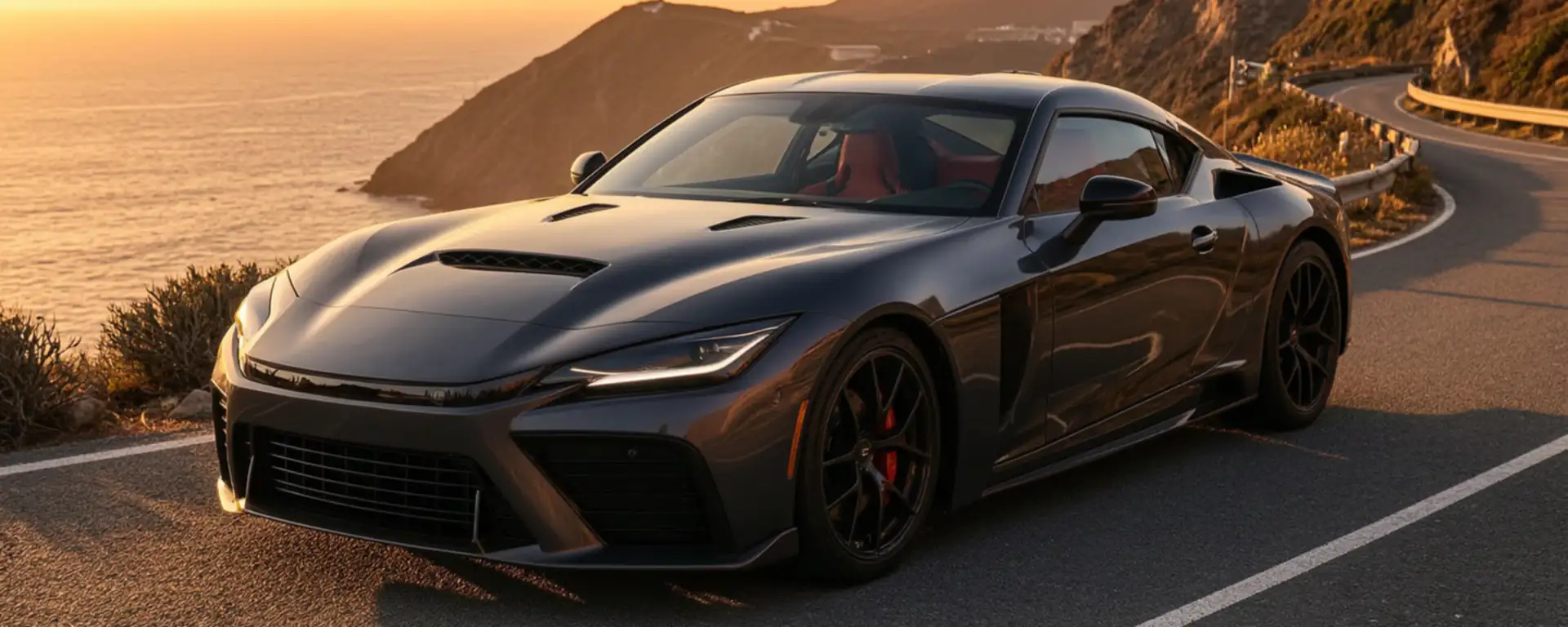
Toyota just confirmed its most serious supercar since the LFA. The GR GT pairs a 650-PS twin-turbo hybrid V8 with a sub-1,800-kg aluminum chassis, and it won’t be sold anywhere near a normal Toyota dealership.
Toyota GR GT specs: the first V8 built for a road car this fast
The GR GT runs Toyota’s first 90-degree twin-turbo V8, a 4.0-litre unit paired with a transaxle-integrated single-motor hybrid system for a combined 650 PS (641 hp) and 850 N·m of torque. Power reaches the rear wheels through an 8-speed automatic with a wet start clutch. Toyota quotes a top speed beyond 320 km/h (199 mph), with independent estimates putting 0-62 mph under four seconds.
The chassis is just as significant as the numbers: an aluminum space frame, a first for Toyota, reinforced with carbon-fibre panels on the bonnet, roof, and rear bulkhead. At 1,750 kg with 45:55 front-to-rear weight distribution, the GR GT is light for a V8 supercar carrying hybrid hardware — a direct result of building the chassis around the powertrain rather than adapting an existing platform.
Price and where you’ll actually buy one
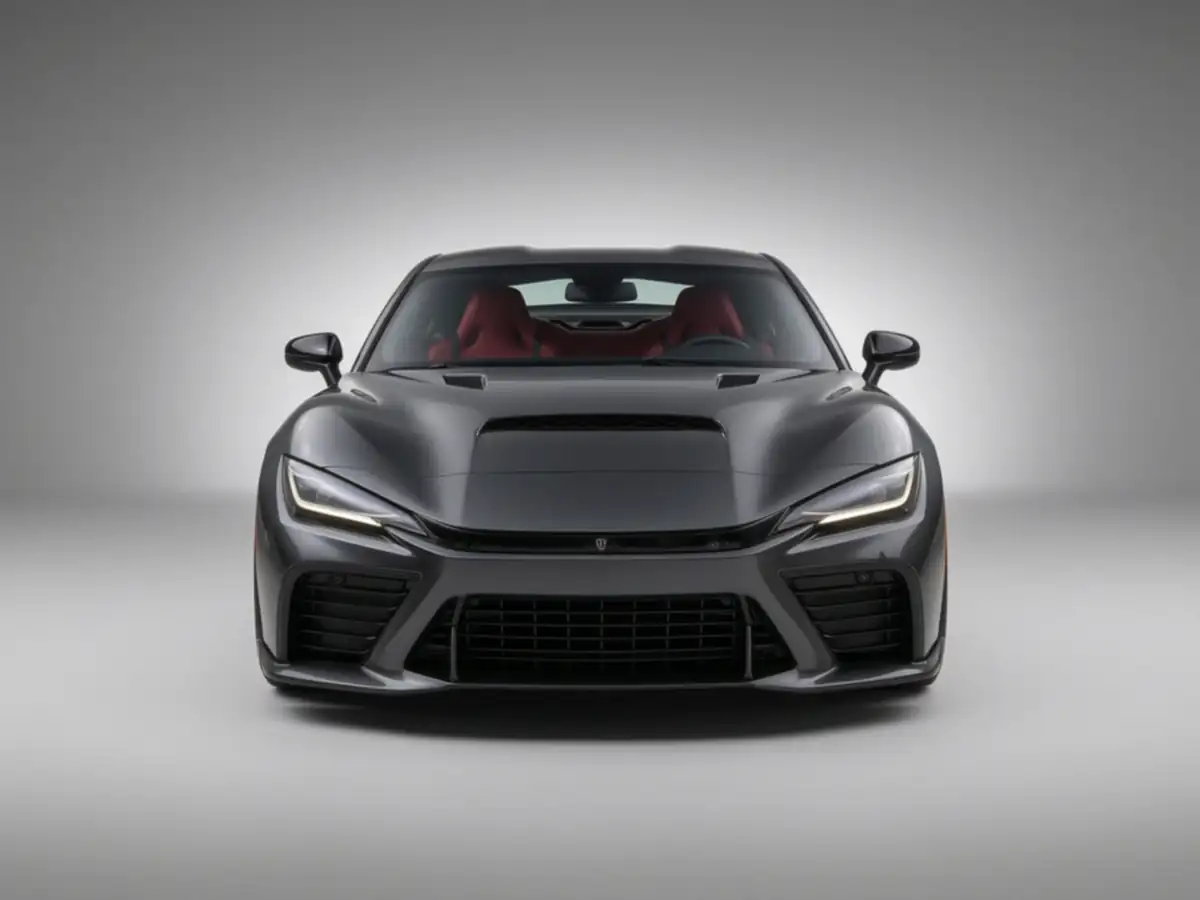
Toyota hasn’t published official pricing, but reporting consistently points to a starting figure around $225,000 in the US. That’s a different universe from any Toyota or Lexus currently on sale, and the distribution plan matches: the GR GT will be sold through select Lexus dealerships rather than Toyota showrooms, with buyers reportedly going through an application process rather than a standard order.
From LFA to GR GT: what changed
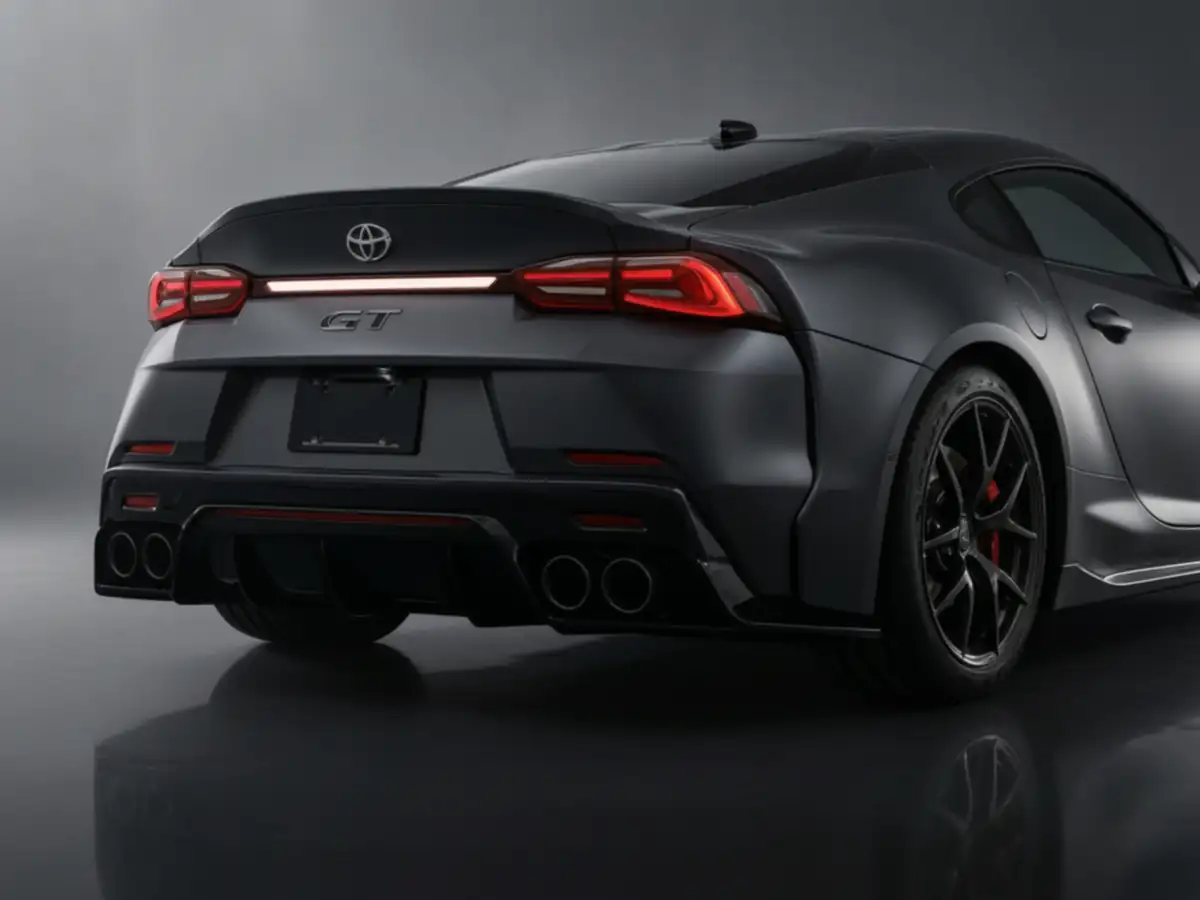
Toyota frames the GR GT as the successor to the 2000GT and the Lexus LFA, built around what it calls a driver-first development philosophy — extensive input from professional drivers before engineering decisions were finalized. Unlike the naturally aspirated V10 LFA, the GR GT leans on forced induction and electrification to hit its numbers, reflecting how even halo cars now need a hybrid system to stay competitive on power and emissions simultaneously.
GR GT3: the racing car came first
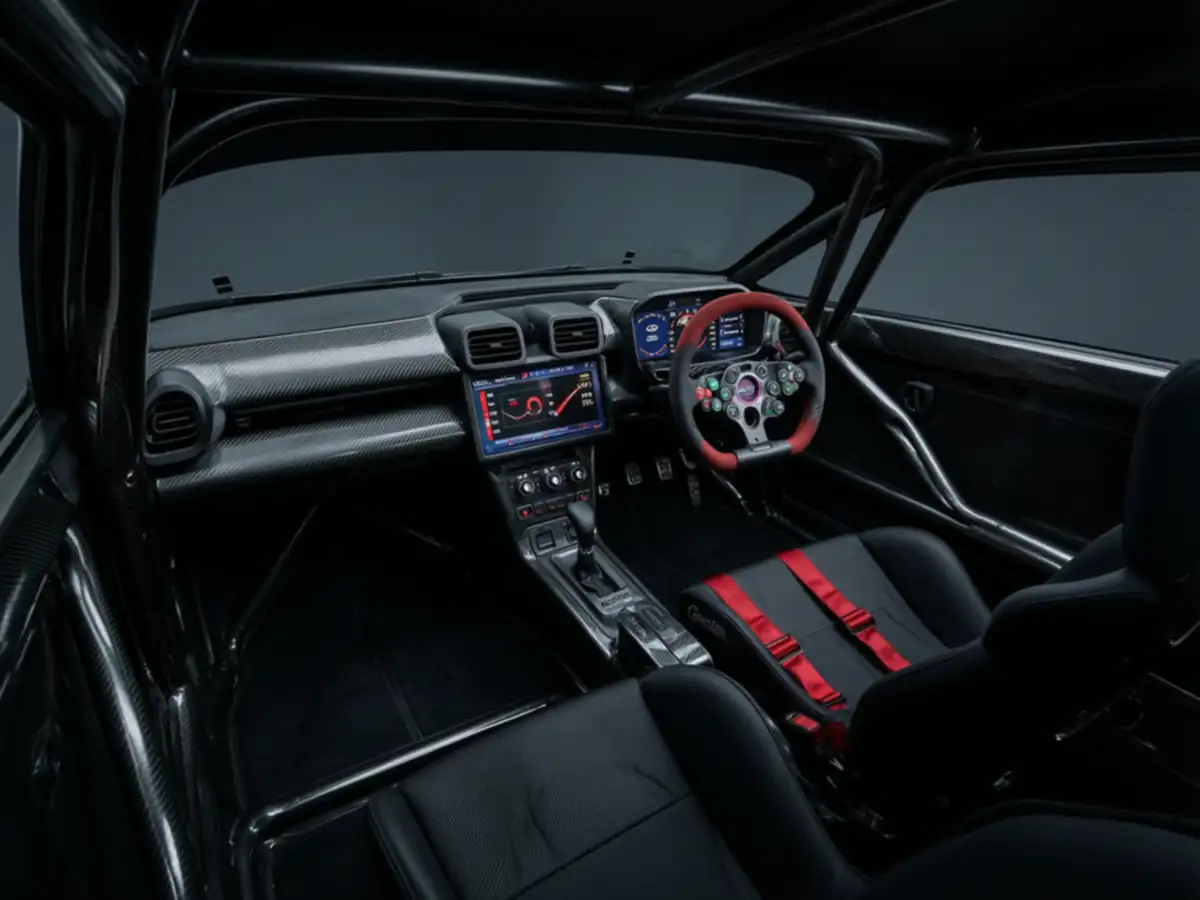
Toyota unveiled the GR GT3 racing variant alongside the road car at the December 2025 premiere, and the two were developed in parallel rather than one following the other. That’s the same GT3 homologation logic Ford used for the Mustang GTD and Ferrari uses for its 296 GT3 — building the race car and the road car from a shared engineering base so each one sharpens the other. Toyota’s own comparison points are explicit: LFA-level ambition, but with a racing program baked in from day one instead of added after the fact.
What it means for Toyota
A 650-PS hybrid V8 supercar sold through Lexus dealers is a genuinely new category for Toyota, not an extension of the GR Yaris and GR Corolla hot-hatch lineup. Production starts in 2027, which gives Toyota roughly a year to finalize pricing and the reservation process — and gives rivals at Porsche, McLaren, and Ferrari a new name to watch in the sub-$250,000 supercar bracket.