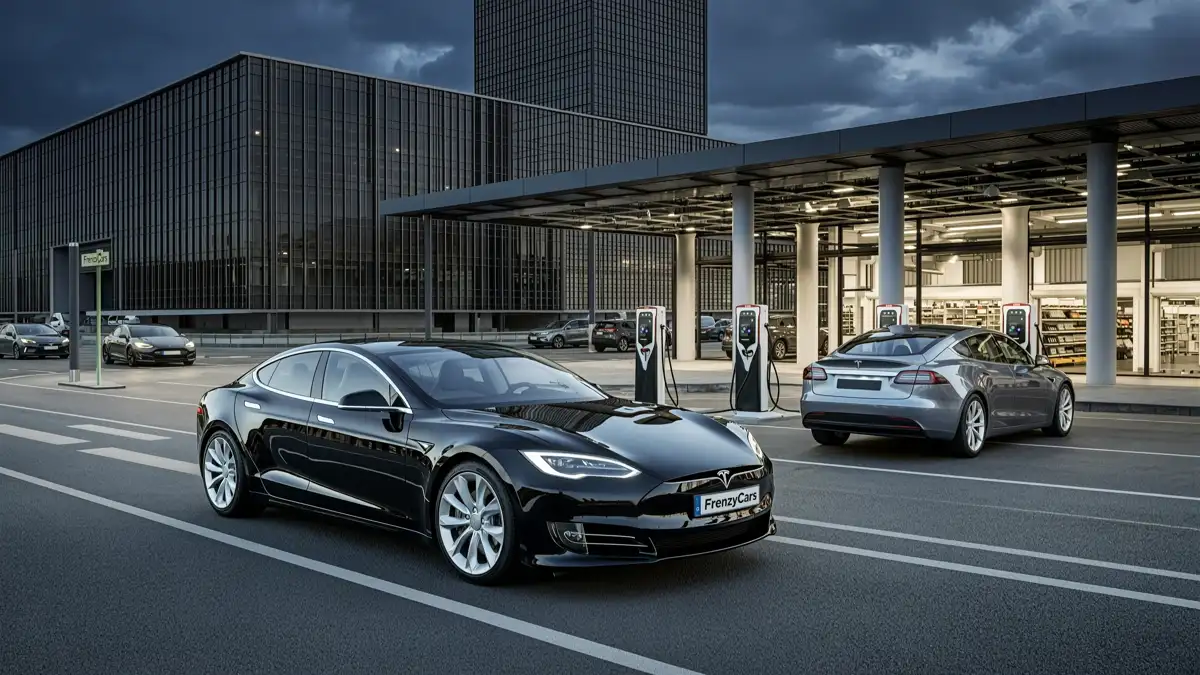
An impatient Tesla driver has revived one of the oldest excuses in the assisted-driving era: the car was doing the work, so the driver shouldn’t be blamed. According to a report published August 9 by Archynetys’ Intelligence Desk, a Tesla owner tried to dodge a speeding ticket by blaming the vehicle’s Autopilot feature. The attempt, as Archynetys notes, ignited a debate over driver responsibility that extends far beyond this one traffic stop.
What Autopilot Can and Cannot Do
Autopilot is a name that invites misunderstanding. In Tesla’s lineup, the feature uses cameras and software to help with steering, acceleration and braking, and to handle some lane changes when conditions permit. But it is not autonomous driving. It belongs to the category of partial automation that still requires an attentive human behind the wheel at all times. The system may take over some physically demanding tasks, but it does not take on the legal identity of the driver. A computer can register a road line or a speed sign, but it cannot accept a citation. In the eyes of traffic law, the person in the seat remains the operator from the moment the drive begins until it ends. That is the baseline this excuse ignores.
Why ‘I Wasn’t Driving’ Falls Apart
The legal argument is straightforward, and the technical reality reinforces it. Modern driver-assist systems are designed to confirm that the driver is paying attention. They can sense whether hands are on the wheel, whether the driver’s eyes are on the road, and whether inputs are being made at regular intervals. When attention fades, alerts escalate and, in many cases, the assistance level is reduced or turned off. This design philosophy makes the ‘I wasn’t driving’ excuse almost self-refuting. With Autopilot engaged, the car is continuously checking on the human precisely because the human is still in charge. If the driver wants to record a speed above the limit, the driver must request it or approve it. The software does what it is told; it does not decide to break the law on its own.
The Name Matters More Than You Think
Part of the confusion can be laid at the feet of the word ‘autopilot’ itself. Aviation has used autopilots for decades, but a plane’s autopilot never releases the pilot from oversight. The crew still monitors instruments, manages systems and remains prepared to intervene at any moment. Cars borrowed the term and immediately inherited its misleading glamour. Drivers hear ‘autopilot’ and imagine they can check out, even though the system is far less capable than a human pilot in many edge cases. This linguistic shortcut has fueled overtrust of partial automation for years, and this speeding stop is just the latest example of where that overtrust can lead.
Why This Debate Matters to EV Buyers
FrenzyCars readers know that the future of performance isn’t only about horsepower; it’s about intelligent control. But with added intelligence comes added responsibility. A driver who blames Autopilot for a ticket invites the wrong kind of attention from regulators and insurers. It makes the entire category of assisted driving look riskier, and it can push lawmakers toward restrictions that limit what these systems can do. For buyers, that means a future where a genuinely useful feature might be neutered because too many people treated it as a chauffeur. Responsible use protects the feature’s potential. Keep the mode engaged, of course, but keep the driver engaged too.
The Archynetys report doesn’t say whether the ticket was eventually dismissed, and the outcome isn’t the point. The debate it sparked already has a working conclusion: until full autonomy becomes a legal reality, the human in the driver’s seat is the one who owns the drive. For now, the next step for any Tesla driver is to treat Autopilot as an assistant, not an alibi.