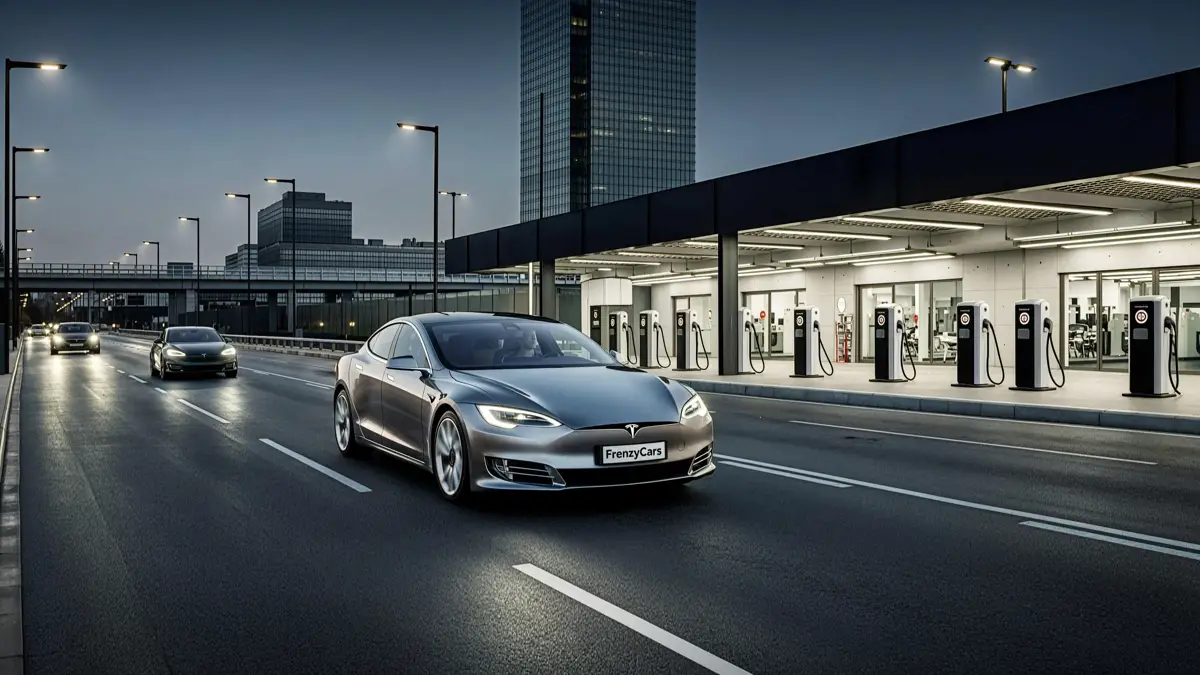
One of the oldest excuses in traffic enforcement has received a high-tech upgrade. A Tesla driver reportedly tried to escape a speeding citation by claiming the car’s Autopilot system was in control. The story, published Aug. 9 by Archynetys, has quickly moved beyond the roadside and into a broader conversation about who is actually responsible when a car steers itself.
The report doesn’t reveal where the stop happened, what the officer replied, or whether the driver ultimately got a ticket. The absence of those details hasn’t mattered. The phrase ‘I wasn’t driving’ has become the focal point of a debate that touches everything from traffic law to how automakers market driver-assistance technology. For casual observers it looks like a desperate excuse; for EV advocates it’s a misreading of how the technology works; and for insurers and lawyers it’s exactly the kind of case they have been preparing for.
What ‘I Wasn’t Driving’ Actually Means
Autopilot does a lot, but it doesn’t turn a licensed driver into a passenger. Current Tesla systems fall under partial automation: they can follow the road, manage speed and traffic, and even suggest lane changes, but a human is still required to supervise and take over when needed. That’s not just a marketing footnote; it’s the foundation of most traffic law. A driver’s license is held by a person, and so is responsibility for the vehicle’s behavior.
The Autopilot excuse matters to anyone shopping for one of these cars for the same reason a car’s power figures matter: it defines what you’re buying. Driver-assistance features are now a major deciding factor in new-car purchases, and the gap between what the systems can do and what some drivers believe they can do is becoming a legal landmine. No automaker has yet built a system that removes the driver from the equation, and that reality is unlikely to change soon. The person in the seat remains accountable, whether the car is doing 30 or well past the posted limit.
A Slowing Sales Curve Makes the Headline Land Harder
Tesla doesn’t need this debate right now. According to company figures cited by Tech Digest, annual deliveries in the UK fell 9 percent to 45,239 vehicles. The same report points to a surge in low-cost Chinese rivals, a challenge that cuts to the heart of Tesla’s once-unassailable position: if the model lineup is under pressure and the technology story is getting murkier, buyers have alternatives.
Germany adds more context. The China Perspective reports that the country’s car market continued to struggle in June 2025, with new registrations dropping significantly and Tesla sales continuing to crash. A single Autopilot excuse wouldn’t dent sales on its own, but a steady drumbeat of similar headlines—‘the car did it,’ ‘the software was confused,’ ‘I wasn’t driving’—can shape the conversation around a brand that’s already fighting to justify its prices in Europe.
Safety Stories and Battery Myths Are Part of the Same Conversation
The same news cycle has thrown other Tesla stories into the mix. In the Seattle suburb of Auburn, two firefighters were rushed to the hospital after a Tesla parked in a family garage exploded, according to local station KING5. The incident happened on a Wednesday, and while the full circumstances were still being pieced together, it serves as a reminder that any EV incident involving fire carries an outsized news impact.
On the opposite side, battery anxiety is being tested in public. A man who owns a 2022 Tesla Model 3 with the LFP battery pack gave it a degradation test after 78,000 miles, aiming to shatter the common myth that EV batteries fall off a cliff with age. The exercise speaks to a core buyer concern: long-term ownership confidence. When an owner can put 78,000 miles on a car and point a camera at a range readout, the result matters far beyond a single vehicle.
Taken together, the Autopilot excuse, the sales slide, the Auburn explosion, and the battery test don’t add up to a single verdict on Tesla. They do add up to a reminder that the brand’s story is becoming more complicated. What enthusiasts care about next is clear: straightforward answers about driver responsibility, real-world battery performance, and a safety record that holds up under scrutiny. The next official sales figures from Europe will show whether the slide has a bottom, and future software policies will determine how much the ‘I wasn’t driving’ excuse is worth. For now, the human behind the wheel still owns the outcome.