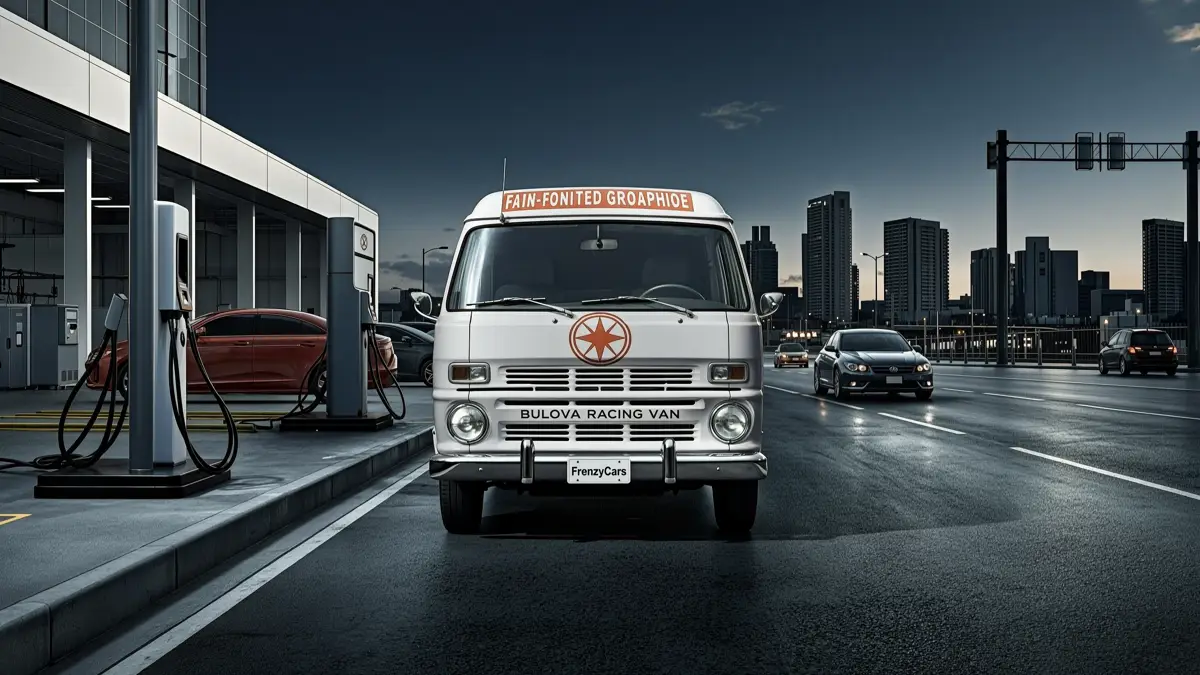
The classic van restoration world just got a splash of old-school artistry. The 1962 Ford Econoline Bulova Racing Support Van, a project that has been carefully pieced together by The Gentleman Racer, has reached a pivotal aesthetic milestone: traditional hand-painted graphics. According to the project’s update, sign painter Sean Starr of Starr Studios in Calvert, Texas, has applied period-inspired graphics by hand, giving the van an authentic 1960s racing support look. With fresh paint, a sorted drivetrain, and the van now running and driving well, the transformation from a vision into a rolling piece of automotive history is nearly complete.
Hand-Painting Brings Authentic 1960s Flavor
In an era where vinyl wraps and digital printing dominate vehicle graphics, the decision to use a traditional sign painter is both a nod to authenticity and a commitment to craftsmanship. Sean Starr’s hand-painted work on the Econoline ensures that every line and letter carries the slight imperfection and character that no machine can replicate. The period-inspired graphics are designed to evoke the look of a 1960s racing support vehicle—the kind of van that would have hauled tools, spares, and crew to tracks like Daytona or Sebring. For enthusiasts of vintage Ford vans and motorsport history, this attention to detail is what separates a mere restoration from a true time capsule.
The process itself is a dying art. Hand-painted lettering requires steady hands, an eye for proportion, and an intimate understanding of paint flow—skills that take years to master. By commissioning Starr Studios, the project’s builders ensured that the final result would be more than just accurate; it would be alive with the same spirit as the era it represents. The graphics will likely become a talking point wherever the van is shown, from car meets to concours events.
A Van That Blends Form and Function
Beyond the eye-catching paint, the 1962 Ford Econoline is now mechanically sound. The update reports that the van has a fresh coat of paint, a sorted drivetrain, and is running and driving well. That means the project has moved past the long, often frustrating stage of mechanical sorting into the rewarding phase of enjoying the vehicle. For anyone who has tackled a classic van restoration, achieving reliable operation is a significant milestone. The Econoline’s compact layout and forward-control design make it a unique platform—quirky to work on but rewarding to drive.
This particular van’s identity as a “Bulova Racing Support Van” hints at a hypothetical partnership that could have existed in the golden age of endurance racing. While we don’t have specific details about Bulova’s historical involvement with Ford racing, the name itself evokes the precision and style of a watchmaker’s support crew. The project’s goal, as stated in the original vision, is to look exactly like a 1960s racing support vehicle. With the graphics now in place and the mechanicals sorted, that vision is rapidly becoming reality.
Why This Matters for Vintage Ford Enthusiasts
The 1962 Ford Econoline is part of Ford’s first generation of compact vans, produced from 1961 to 1967. These vans were utilitarian workhorses, often used by small businesses and tradespeople, but they have since gained a cult following among customizers and restoration enthusiasts. The Econoline’s flat front end and short hood lend themselves well to custom paint jobs and period-correct modifications. This Bulova-themed build stands out because it doesn’t aim for a flashy, modern look; instead, it embraces the restrained, purposeful aesthetic of a working race support vehicle.
For collectors and builders who value originality and craftsmanship, projects like this are a breath of fresh air. The use of hand-painted graphics rather than mass-produced decals respects the era when racing teams employed traveling sign writers to deck out their transporters. It’s a reminder that the best restorations are built on authenticity, not convenience.
The Final Stretch
With the graphics applied, the van’s transformation is entering its final phase. The team behind the build can now focus on any remaining trim, interior details, and final mechanical checks before the van is ready for public outings. Wherever it ends up—whether at vintage races, car shows, or just cruising local roads—the 1962 Ford Econoline Bulova Racing Support Van will serve as a rolling tribute to the art of traditional sign painting and the enduring appeal of 1960s Ford vans.
Stay tuned for more updates from The Gentleman Racer as this project nears completion. For now, the hand-painted graphics have sealed its character, proving that sometimes the old ways are still the best ways.