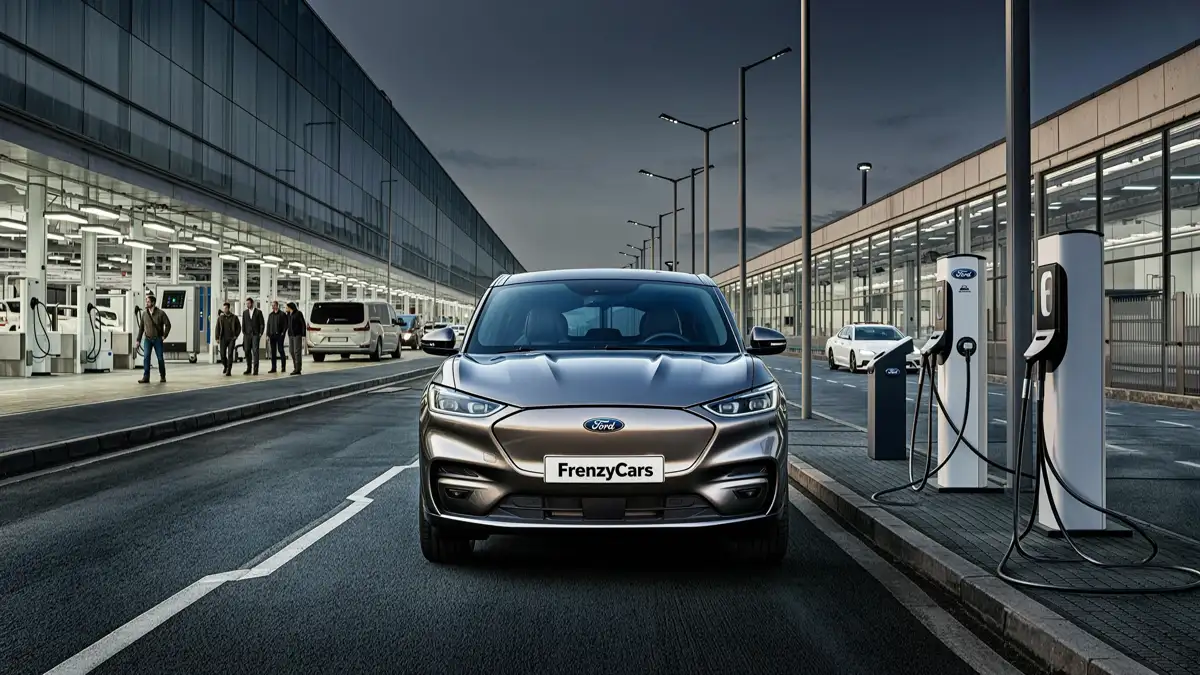
For many electric vehicle shoppers, the decision comes down to more than just range figures or charging speed—it’s about daily usability and peace of mind. According to a Ford Mustang Mach-E owner testimonial featured by The Cooldown, three specific features have made all the difference: phone-as-key functionality, proactive safety alerts, and dramatically lower maintenance costs. The owner describes the transition to electric driving as seamless, thanks to these conveniences that eliminate common pain points of traditional car ownership.
Phone-as-Key: Ditching the Fob for Good
One of the standout features cited by the owner is the phone-as-key system, which does away with a physical key fob entirely. Instead, the owner’s smartphone handles unlocking, locking, and starting the vehicle. For anyone who has fumbled for keys in the rain or worried about losing a fob, this is a genuine quality-of-life upgrade. The system uses Bluetooth and Ford’s app to authenticate the phone, meaning the car recognizes the driver automatically as they approach. This is not just a novelty—it’s a practical shift. The owner notes that never having to carry a separate key simplifies daily routines, especially for families or commuters who already have their phones glued to their hands. Moreover, the ability to remotely share access via the app adds flexibility: lending the car to a family member or valet becomes as easy as sending a digital key. While phone-as-key technology is appearing in more EVs and premium vehicles, Ford’s implementation in the Mach-E has clearly won over this owner, who views it as a core reason the EV transition felt natural rather than intimidating.
Safety Alerts That Keep You Proactive
The second feature the owner highlights is the suite of proactive safety alerts. While specific alert types aren’t detailed in the testimonial, the term “proactive” suggests the system warns the driver before a potential issue escalates—common examples include forward collision warnings, blind-spot monitoring, lane-keeping assistance, and cross-traffic alerts. For a daily driver, these systems reduce cognitive load and help prevent accidents. The owner’s appreciation underscores a broader trend: as EV adoption grows, buyers are increasingly valuing integrated safety tech that works seamlessly with the electric drivetrain. In the Mach-E, Ford’s Co-Pilot360 suite offers many of these features as standard or optional equipment, but the testimonial emphasizes that the alerts are effective without being annoying. This balance is critical—overly sensitive alerts can drive owners crazy, but properly tuned proactive safety systems build trust. The owner’s positive experience suggests Ford has calibrated the Mach-E’s safety tech to enhance driving confidence, which is especially important for drivers new to EVs who may be adjusting to different acceleration and braking characteristics.
Minimal Maintenance: No Oil Changes, No Belt Replacements
Perhaps the most practical advantage of EV ownership, and a major point in the owner’s testimonial, is the dramatically reduced maintenance schedule. The owner mentions that upkeep is limited to tire rotations and cabin air filter replacements—there are no oil changes, transmission fluid flushes, or belt replacements needed. For anyone accustomed to the periodic costs of gas vehicles, this is a significant long-term savings. The owner describes this as making the transition to electric feel seamless, as the car requires far less attention from a maintenance standpoint. This is not news to EV enthusiasts, but for mainstream buyers considering a switch, the owner’s real-world testimony underscores a compelling value proposition. The Mach-E, like most EVs, has far fewer moving parts in its powertrain—no engine oil, no timing belts, no exhaust system—which translates to fewer trips to the dealership and lower total cost of ownership. Tire rotations remain important due to the heavy battery pack and instant torque, and cabin air filters ensure clean air inside, but that’s a minor price to pay for shedding the traditional maintenance burden. The owner’s emphasis on this feature aligns with broader industry data showing that EV maintenance costs are typically 30-50% lower over the life of the vehicle compared to gasoline counterparts.
A Seamless Transition to Electric
Taken together, these three features—phone-as-key, proactive safety alerts, and low upkeep—created an ownership experience that the owner describes as seamless. That word is significant: it suggests that the Mach-E did not force the driver to learn a completely new set of habits but instead integrated into their existing lifestyle with minimal friction. The phone-as-key eliminated one extra item to carry; the safety alerts provided reassurance; and the maintenance simplicity removed a recurring chore. For many, the biggest barrier to EV adoption is the perceived inconvenience of charging and unfamiliar technology. This testimonial offers a counter-narrative: that the day-to-day convenience of an EV can actually exceed that of a gas car, especially when automakers focus on thoughtful digital features and reliability. The Ford Mach-E continues to be one of the most popular electric SUVs on the market, and stories like this help explain why. As Ford expands its EV lineup, the lessons from early adopters will likely influence future models—further smoothing the transition for the next wave of electric drivers.
Looking Ahead
For anyone considering a Ford Mustang Mach-E, this owner’s experience highlights that the real-world benefits go well beyond zero tailpipe emissions. The combination of smartphone integration, intelligent safety systems, and dramatically reduced maintenance makes a strong case for going electric. As Ford continues to update the Mach-E with over-the-air software improvements, these features are only expected to get better. For now, the testimonial serves as a reminder that sometimes the most compelling reasons to switch are the small daily conveniences that make life a little easier.