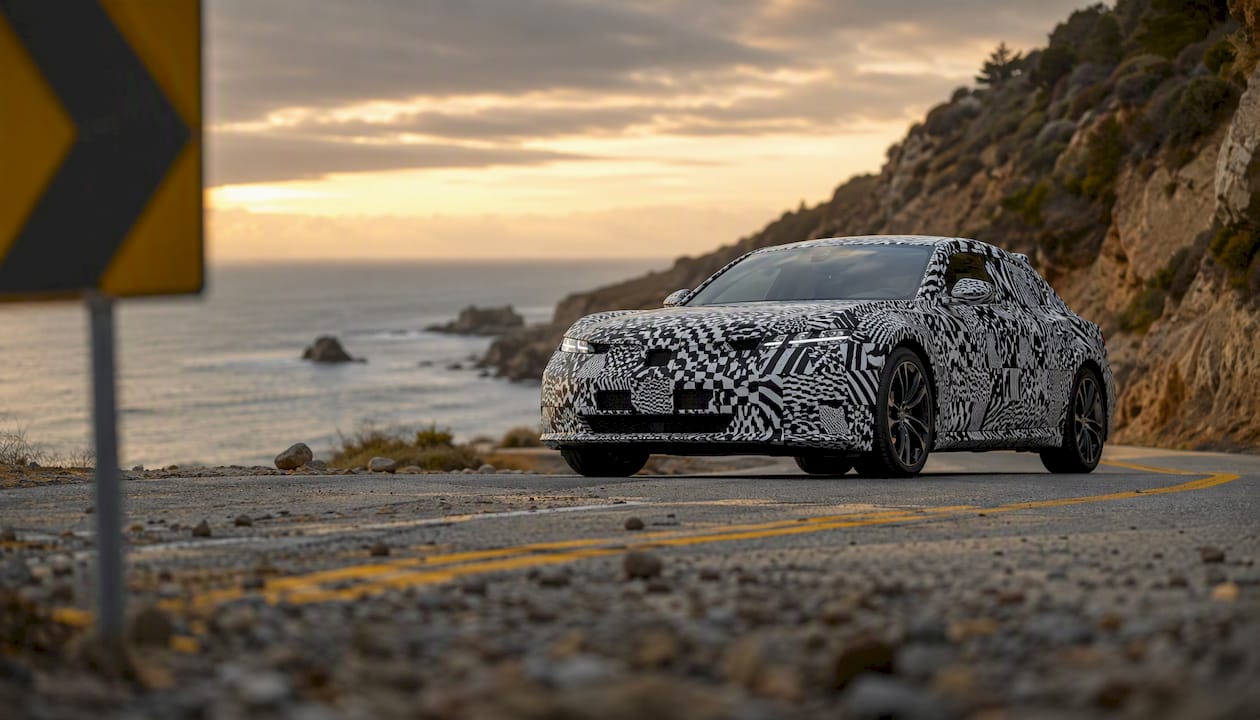
The hottest car spy shots circulating right now include a near-production BMW M5 Touring mule spotted on public roads in Germany, a heavily wrapped Ferrari V12 flagship prototype running laps near Maranello, and a camouflage-heavy Mercedes-AMG GT Black Series successor caught at the Nürburgring. A Lamborghini Urus successor wearing dazzle vinyl was photographed in the Alps, and a Toyota Land Cruiser-based hybrid prototype turned up at a Death Valley heat soak. Here is the quick read on each:
- BMW M5 Touring mule (Germany, public road, photo credit: spy agency pool) — minimal camo, production-ready body lines visible. Verdict: likely on sale within the near future.
- Ferrari V12 flagship prototype (Maranello circuit perimeter, photographer pool) — heavy foam panels over the rear deck. Verdict: early-to-mid development stage.
- Mercedes-AMG successor (Nürburgring, pool photo) — dazzle wrap, exhaust tips partially exposed. Verdict: late-stage prototype, reveal likely in the near term.
- Lamborghini Urus successor (Alpine roads, pool photo) — thick vinyl wrap hiding roofline and C-pillar. Verdict: mid-stage testing.
The freshest car spy shots: a gallery roundup
The entries below represent the most recent vehicle test shots making rounds across credible photo agencies and editorial desks. Each entry notes what the photos actually reveal, where the prototype was caught, and a rough timeline.
| Model | Testing Location | Camo Stage | Estimated Reveal Window |
|---|---|---|---|
| BMW M5 Touring | German public roads | Light wrap | Within 12 months |
| Ferrari V12 flagship | Maranello perimeter | Heavy foam panels | 18–36 months |
| Mercedes-AMG GT successor | Nürburgring | Dazzle vinyl | 12–18 months |
| Lamborghini Urus successor | Alpine roads | Thick vinyl | 18–36 months |
| Toyota Land Cruiser hybrid | Death Valley | Moderate wrap | 12–18 months |
| Kia EV9 GT | Nürburgring | Light dazzle | 6–12 months |
| Ford Bronco Raptor update | Arizona proving grounds | Minimal tape | Within 6 months |
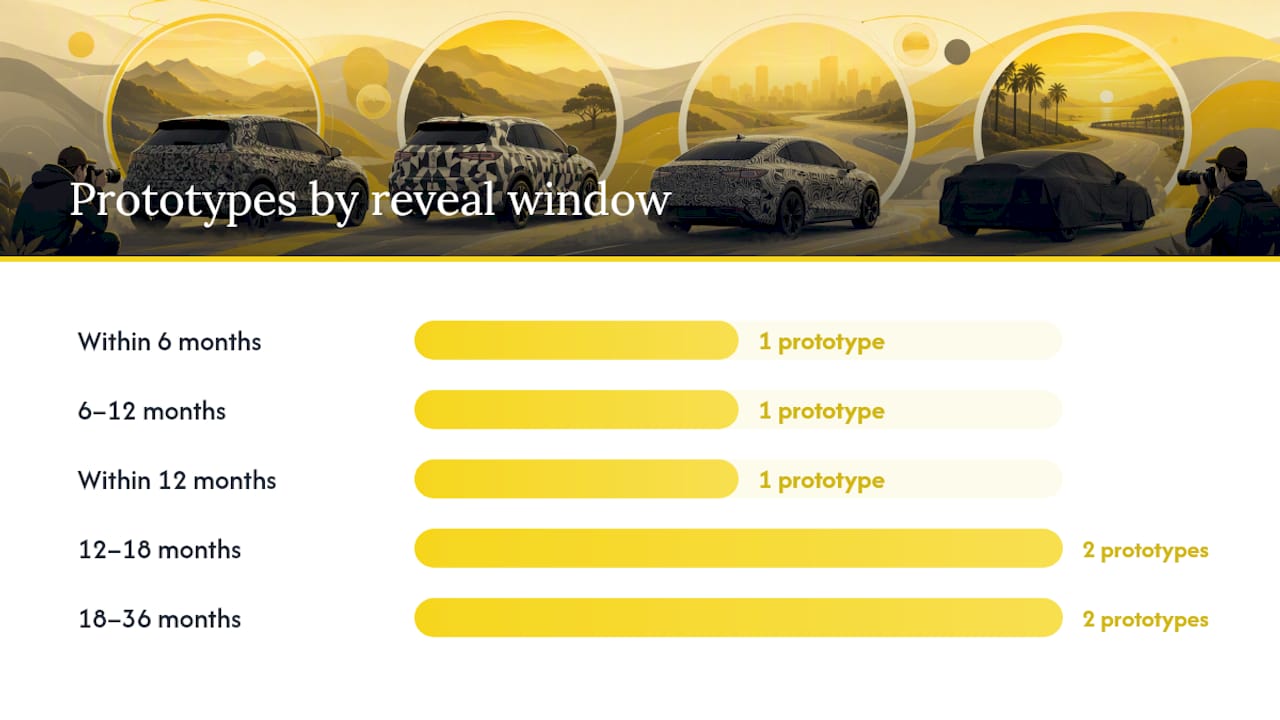
BMW M5 Touring. The photos show door seams and roofline matching the current M5 sedan exactly, with only the rear quarter panels taped. Wheel arches are production-width. This one is near production. Check the BMW coverage on Frenzycars for the broader context on how BMW has been managing its performance lineup reveal cadence.
Ferrari V12 flagship prototype. Foam panels bulk out the rear deck and trunk area significantly, which typically signals the team is still hiding final body sculpture. Glass shape is visible and matches a longer wheelbase than the current 812. Early stage, but the V12 exhaust note caught on video confirms the powertrain direction.
Mercedes-AMG GT successor. The dazzle wrap is doing real work here, breaking up the roofline so the fastback profile is hard to confirm from photos. Exhaust tips are uncovered, showing a quad arrangement. The Nürburgring testing context matters: cars only run there in late-stage validation, which indicates this prototype is in advanced testing.
Lamborghini Urus successor. Alpine road testing at altitude is standard for SUV thermal and suspension calibration. The thick vinyl wrap hides the C-pillar and rear glass shape, which is exactly where the new roofline design lives. Mid-stage.
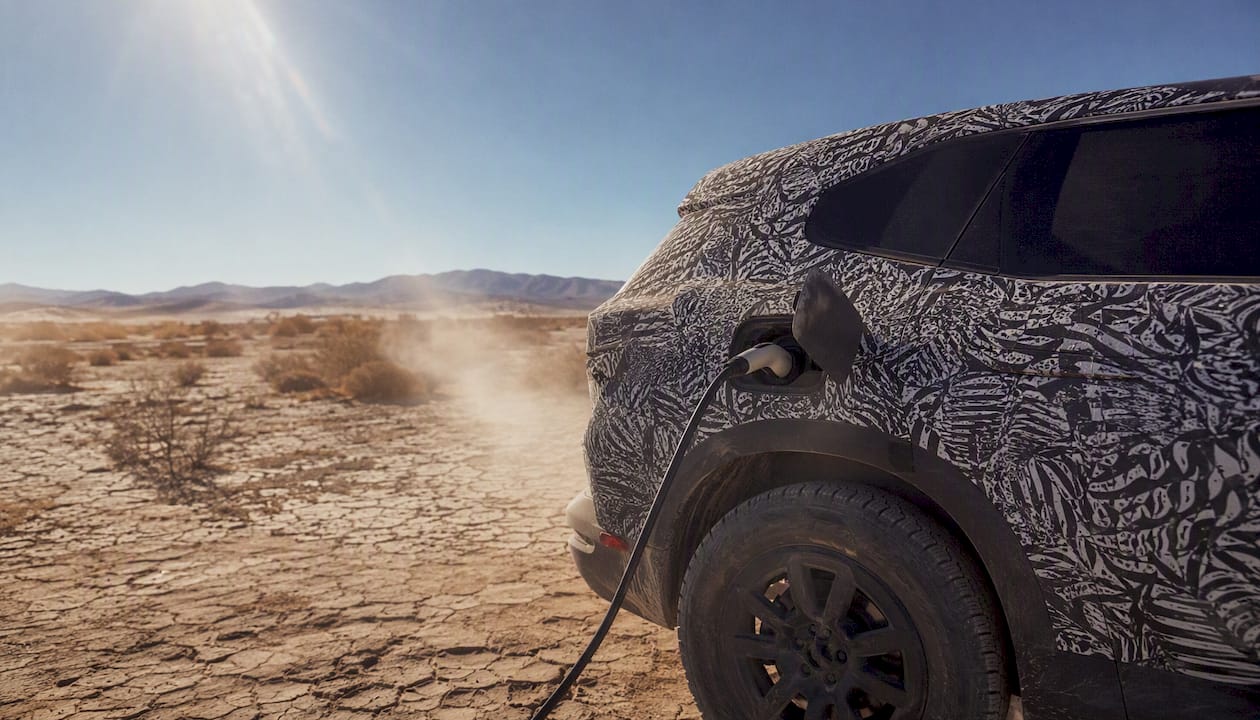
Toyota Land Cruiser hybrid. Death Valley heat soaking is a classic final-stage durability check. Moderate wrap, production-spec wheels visible. The hybrid powertrain badges are taped, but the charging port location on the front quarter panel is exposed.
Kia EV9 GT. Light dazzle wrap, wider front bumper clearly visible, and larger brake calipers behind the open-spoke wheels. Kia’s GT performance sub-brand is ongoing development with the prototype nearing production.
Ford Bronco Raptor update. Arizona desert testing with minimal tape over the front fascia. Wider flares, revised hood vents. Ford’s own Nürburgring activity with the Mustang GTD shows the brand is in an aggressive performance phase, and the Bronco Raptor update fits that pattern.
Where and when prototypes show up for testing
Knowing the locations tells you what kind of testing is happening and what the photos are likely to show.
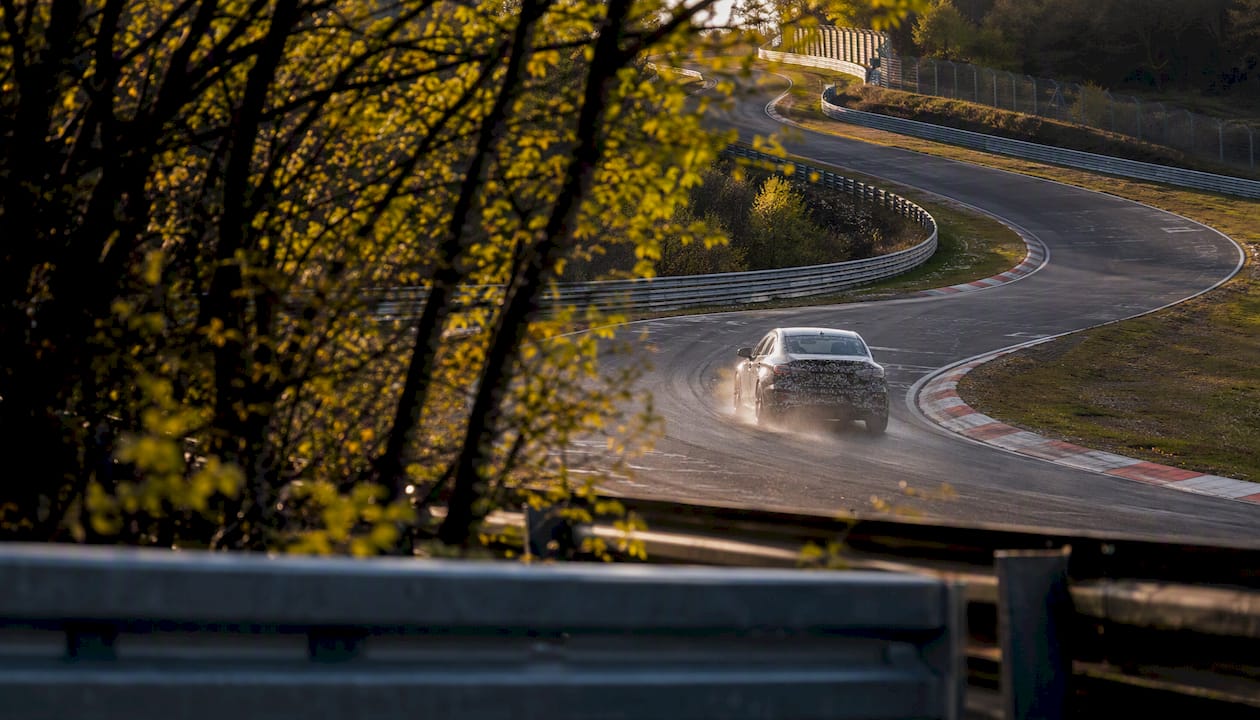
Nürburgring Nordschleife, Germany is the most photographed test venue on earth. Manufacturers run there for high-speed durability and chassis tuning. Prototypes appear year-round, but spring and fall are the busiest windows before summer and winter extremes. A car at the 'Ring in late-stage camo is almost always within 18 months of a reveal.
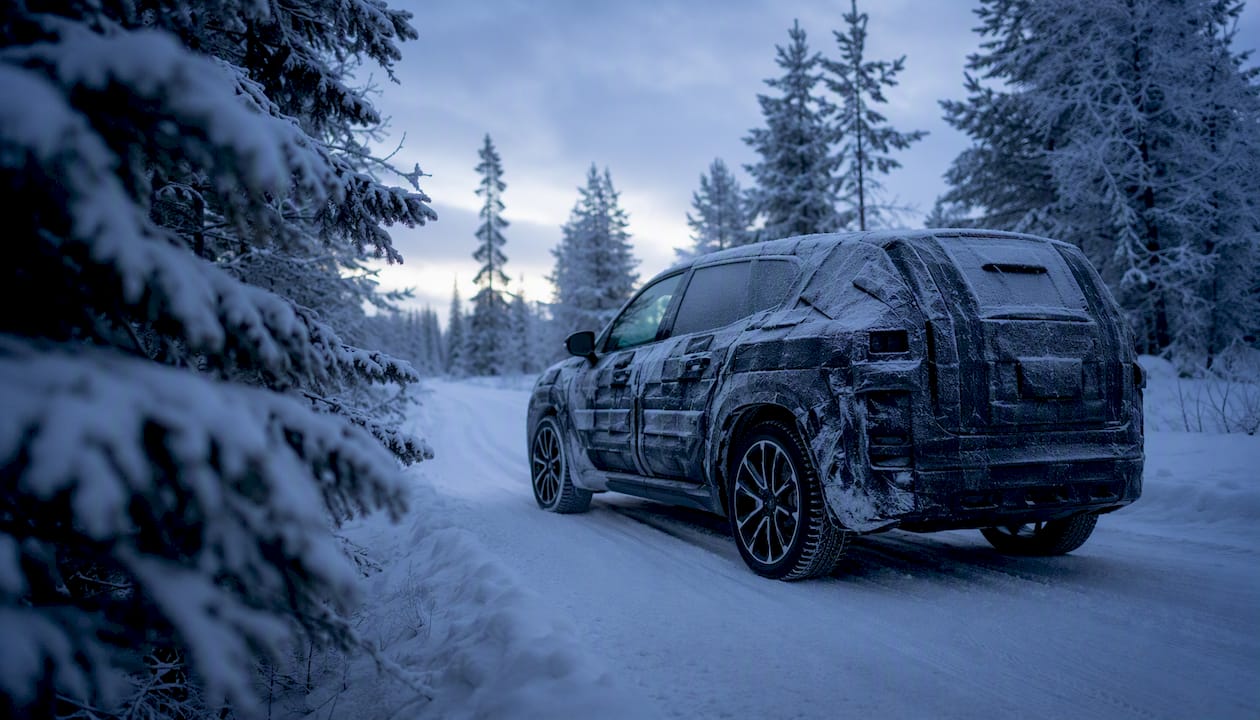
Scandinavian cold-weather sites (northern Sweden and Finland, primarily) run from late November through March. Winter testing covers brake performance on ice, traction control calibration, and cold-start reliability. Prototypes here often wear heavier camo because the low-light conditions make photography harder, giving manufacturers slightly more cover.
Death Valley, California is the U.S. heat-soak standard. Temperatures regularly exceed 120°F, making it the go-to for cooling system validation, battery thermal management on EVs, and HVAC performance. A prototype in Death Valley is typically in mid-to-late development. The car specs database at Frenzycars is useful for cross-referencing what powertrain specs a prototype’s cooling setup suggests.
U.S. proving grounds (GM’s Milford, Michigan facility and Ford’s Arizona proving grounds near Yucca) are private but adjacent to public roads. Photographers stake out the entry roads and catch prototypes on public highway sections used for high-speed runs.
Prototypes typically appear in public testing 18–36 months before an on-sale date. Late-stage prototypes in light camo compress that window to 6–18 months.
Inside the spy game: what veteran photographers and engineers know
Structured automotive spy photography started with Jim Dunne in the 1960s, grew into a competitive industry through the magazine wars of the 1990s, and then shifted again when smartphones put a camera in every bystander’s pocket. The economics changed: publications that once paid premium rates for exclusive shots now rely heavily on user submissions, and manufacturers have learned to seed their own “spy-style” imagery to control the narrative.
Veteran spy photographers prioritize endurance, legality, and careful research. Brenda Priddy, one of the most recognized names in the field, built her reputation by working exclusively from public spaces, coordinating teams at known test locations, and never taking risks that would compromise access or create legal exposure. The job is closer to investigative journalism than car-chase drama.
“The key is research and patience. You have to know where the cars are going to be tested, and then you have to be there — legally, safely, and ready to wait as long as it takes.” — Brenda Priddy, via PetaPixel
Automotive espionage extends well beyond photography into corporate IP theft and digital intrusions, with EV battery tech and vehicle software now the most valuable targets. That context matters: the legal, public-space photography that enthusiasts follow is a small and relatively benign corner of a much larger competitive intelligence world.
Pro Tip: If you want to submit a sighting, photograph from a public road or parking area only. Never approach, touch, or follow a test vehicle onto private property. Publications that accept user submissions will ask for location, time, and your own contact details — anonymous tips carry less weight.
Key Takeaways
The most reliable car spy shots combine a named photo credit, a confirmed testing location, and at least two independent sightings — everything else is speculation worth labeling as such.
| Point | Details |
|---|---|
| Read the glass and door seams | These structural elements cannot be faked with camo, making them the most reliable design signals in any prototype photo. |
| Camo stage signals timeline | Light dazzle wrap means 6–18 months to reveal; heavy foam panels mean 18–36 months or more. |
| Verify before sharing | Check EXIF date, photo credit, and multiple independent sightings before treating a single image as confirmed news. |
| Testing location tells you what’s being tested | Nürburgring means chassis tuning; Death Valley means thermal/cooling; Scandinavia means cold-weather systems. |
| Follow Frenzycars for verified scoops | Frenzycars labels speculation separately from confirmed facts and credits photographers on every spy-shot post. |
Why spy shots matter more than most enthusiasts realize
The conventional take on car spy shots is that they are a fun preview, a teaser for the real reveal. That undersells what they actually do. A well-read prototype photo tells you more about a manufacturer’s engineering priorities than any press release will. The camo stage, the testing location, the powertrain cues left deliberately uncovered — these are decisions made by engineers and PR teams who know photographers are watching. Every detail visible in a spy shot is either a mistake or a choice.
What most enthusiasts miss is the marketing dimension. A manufacturer that lets a prototype run on public roads near a busy tourist area during a slow news month is not being careless. The “leak” is the announcement. It generates coverage without triggering the full reveal cycle, keeps the model in conversation, and does not cannibalize sales of the outgoing version. The spy shot is the press release in disguise.
The other underrated angle: spy shots are now a two-way signal. Manufacturers watch which details generate the most enthusiast reaction online, and that feedback genuinely influences late-stage development decisions. The community is not just observing the process. It is part of it.
Frenzycars keeps you ahead of every prototype sighting
For enthusiasts who want verified spy shots without the noise, Frenzycars publishes fast, credit-sourced updates with clear labels separating confirmed details from editorial speculation. Every entry includes photographer attribution, testing location, and a launch-timeline estimate grounded in the prototype’s camo stage and testing context.
When a spied model reaches production, the full car specs by make and model are already waiting for you, along with curated picks across every category at best cars by category. Start there to track any model from first spy shot to final spec sheet.
Useful sources and photo-credit practices
Frenzycars pulls spy-shot coverage from established photo agencies that credit named photographers, manufacturer official channels, and verified user submissions that include location, timestamp, and contact details. Every post labels speculation separately from confirmed facts.
Photo-credit best practices used here:
- Interview with Brenda Priddy | PetaPixel
- Forbes: Car spies and auto camouflage
- Here’s how automakers develop test-car camouflage | The Autopian
- How car world’s ‘paparazzi’ spy on the latest models | BBC News
- Why automakers camouflage their vehicles | The Globe and Mail
- Automotive espionage — the secret history of car industry spying | EngineStories
Verification resources readers can use independently: