Honda CR-VvsHonda HR-V
Compared as tested: 2.4 CVT 4x4 vs 1.8 MT
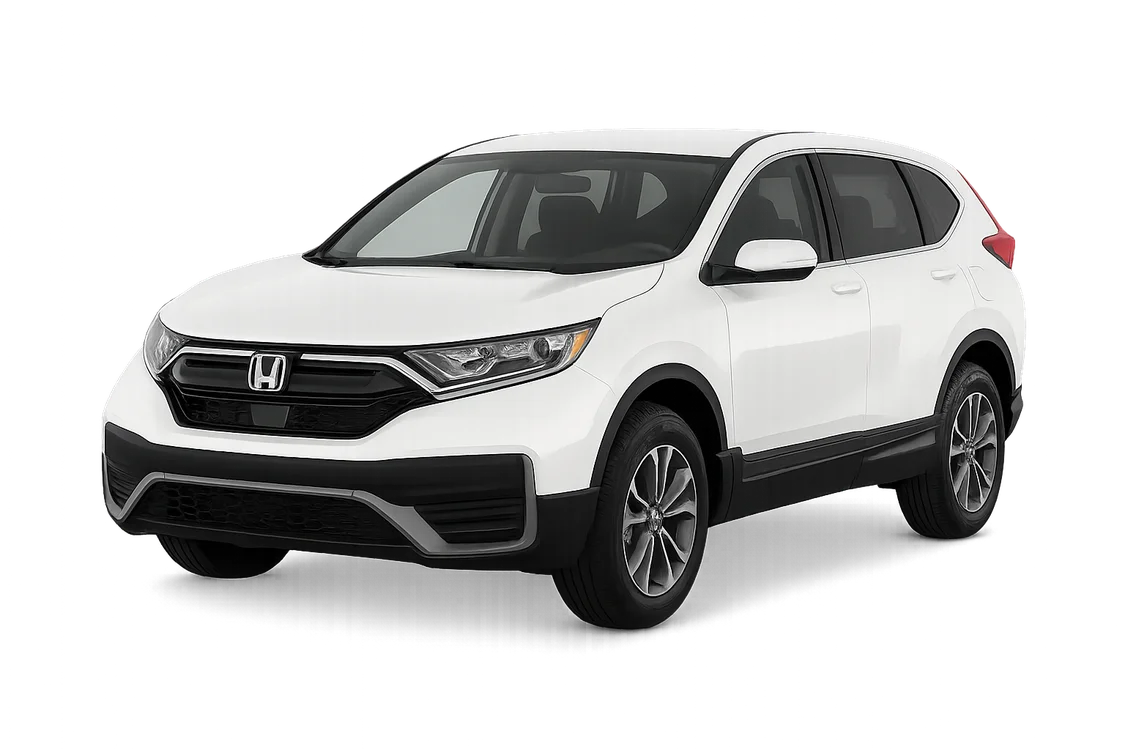
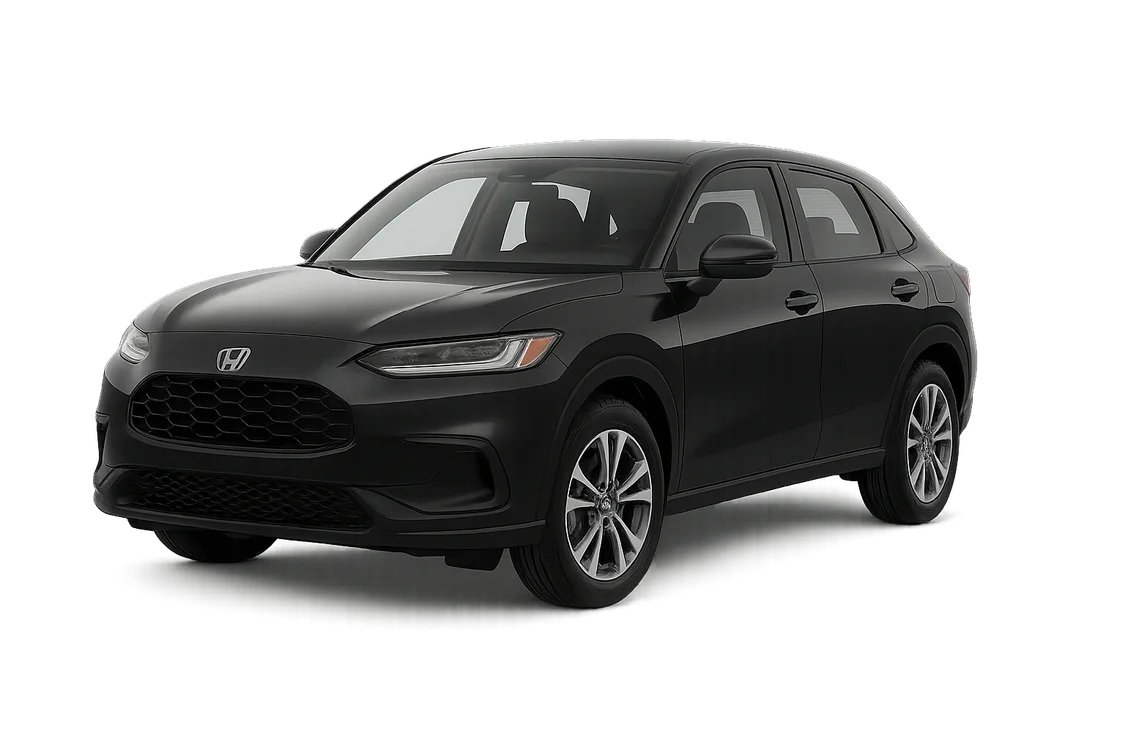
Key Specs Comparison
| Spec | Honda CR-V | Honda HR-V |
|---|---|---|
| Horsepower | 188 hp✓ | 141 hp |
| Torque | 245 Nm✓ | 173 Nm |
| 0–100 km/h | 10 s✓ | 10.2 s |
| Weight | 1640 kg | 1310 kg✓ |
How They Compare
- The Honda CR-V puts out 47 more horsepower (188 hp vs 141 hp).
- The Honda HR-V is 330 kg lighter — 25% less weight to push around.
- The Honda CR-V delivers more torque: 245 Nm vs 173 Nm.
- The Honda CR-V runs a larger 2.4L engine versus the 1.8L unit in the Honda HR-V.
- At 4.58 m, the Honda CR-V is 29 cm longer than the Honda HR-V — easier to live with in town for the shorter car.
- Drivetrain is a real differentiator here: the Honda CR-V uses Four wheel drive (4WD) while the Honda HR-V runs Front wheel drive.
- The Honda CR-V pairs its engine with a Continuously variable transmission (CVT) gearbox; the Honda HR-V goes with a Manual.
Radar Comparison
Performance at a Glance
Expert Analysis
Honda CR-V vs. Honda HR-V: Which Crossover Wins Your Garage?
Deciding between these two Honda crossovers means looking closely at your daily routine. The engineering philosophy behind each vehicle caters to entirely different buyer profiles.
The Honda CR-V is the definitive choice for the family buyer. That extra length translates directly into interior volume, making it far easier to fit child seats, bulky strollers, and luggage for weekend road trips. The four-wheel-drive system supplies vital traction for parents navigating snowy morning school runs or dirt roads to the campsite. For commuters who battle stop-and-go highway traffic every single day, the CVT provides smooth, predictable power delivery. The larger engine generates a substantial advantage in both horsepower and torque, allowing the vehicle to pull away from stoplights with ease. While it is a heavier machine, that extra mass brings a planted, stable ride that highway drivers appreciate.
The Honda HR-V targets the urban commuter and the driving enthusiast. Because it sheds significant weight, the vehicle feels remarkably nimble and easy to park in cramped city spaces. Enthusiasts will actively seek out the manual gearbox. A stick shift gives you absolute control over the smaller engine, making your daily drive far more engaging than letting an automatic do the work. Even though the engine output is lower, that dramatic weight reduction keeps acceleration nearly identical to its heavier sibling. Front-wheel drive keeps the mechanical package simple and perfect for darting through tight city streets.
You should buy the CR-V if you need a versatile family hauler capable of handling foul weather and carrying heavy payloads. You should buy the HR-V if your commute consists of narrow urban streets, you crave the tactile connection of a manual transmission, and your top priority is agile handling.
Full Specifications
Engine
| Spec | Honda CR-V | Honda HR-V |
|---|---|---|
| Power | 188 hp | 141 hp |
| Torque | 245 Nm | 173 Nm |
| Displacement | 2356 cc | 1799 cc |
Performance
| Spec | Honda CR-V | Honda HR-V |
|---|---|---|
| 0–100 km/h | 10 s | 10.2 s |
Efficiency
| Spec | Honda CR-V | Honda HR-V |
|---|
Dimensions & Weight
| Spec | Honda CR-V | Honda HR-V |
|---|---|---|
| Length | 4580 mm | 4295 mm |
| Width | 1820 mm | 1773 mm |
| Height | 1695 mm | 1605 mm |
| Wheelbase | 2630 mm | 2610 mm |
| Curb Weight | 1640 kg | 1310 kg |
Capacity
| Spec | Honda CR-V | Honda HR-V |
|---|
Drivetrain
| Spec | Honda CR-V | Honda HR-V |
|---|---|---|
| Drive Type | Four wheel drive (4WD) | Front wheel drive |
| Transmission | Continuously variable transmission (CVT) | Manual |
| Body Type | Crossover | — |
Verdict
🏆 Honda CR-V 2.4 CVT 4x4
51 vs 49 points
The Honda CR-V edges ahead on overall specs. The Honda wins on: power.
Frequently Asked Questions
Which is faster, the Honda CR-V or the Honda HR-V?
The Honda CR-V is quicker, reaching 60 mph in 10s versus 10.2s for the Honda HR-V.
Which has more power, the Honda CR-V or the Honda HR-V?
The Honda CR-V produces 188 hp, 47 hp more than the Honda HR-V's 141 hp.