Dodge ChallengervsDodge Charger
Compared as tested: 6.1 AT vs 6.4 AT
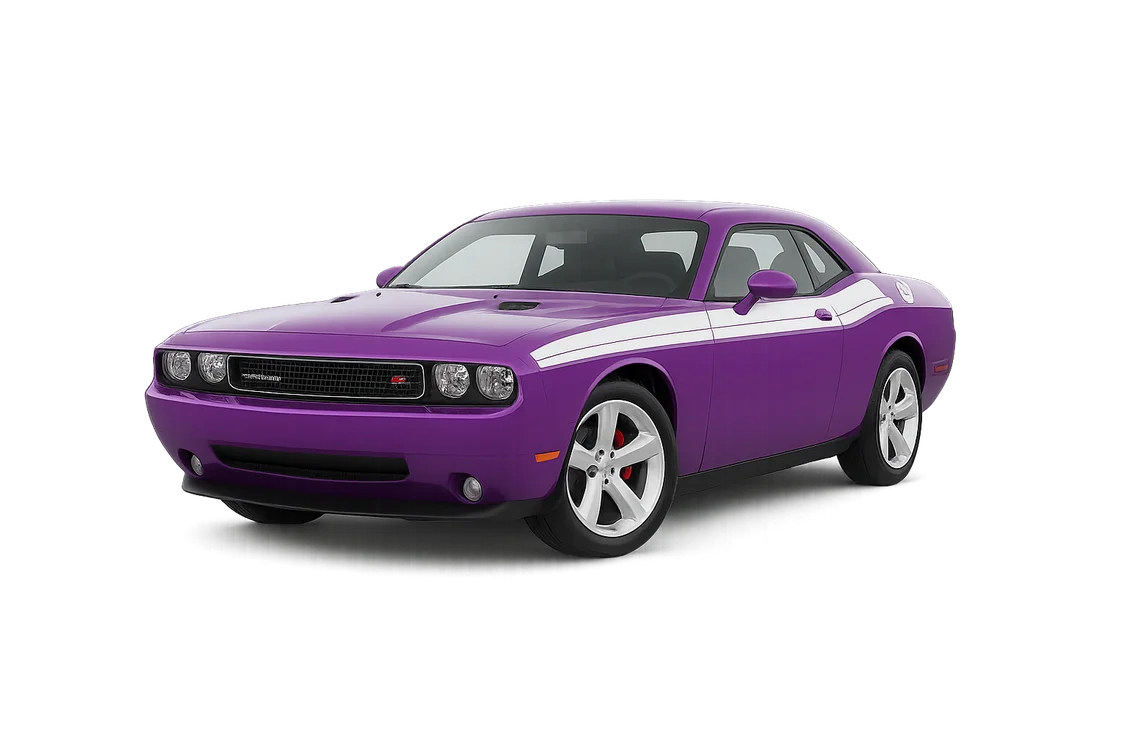
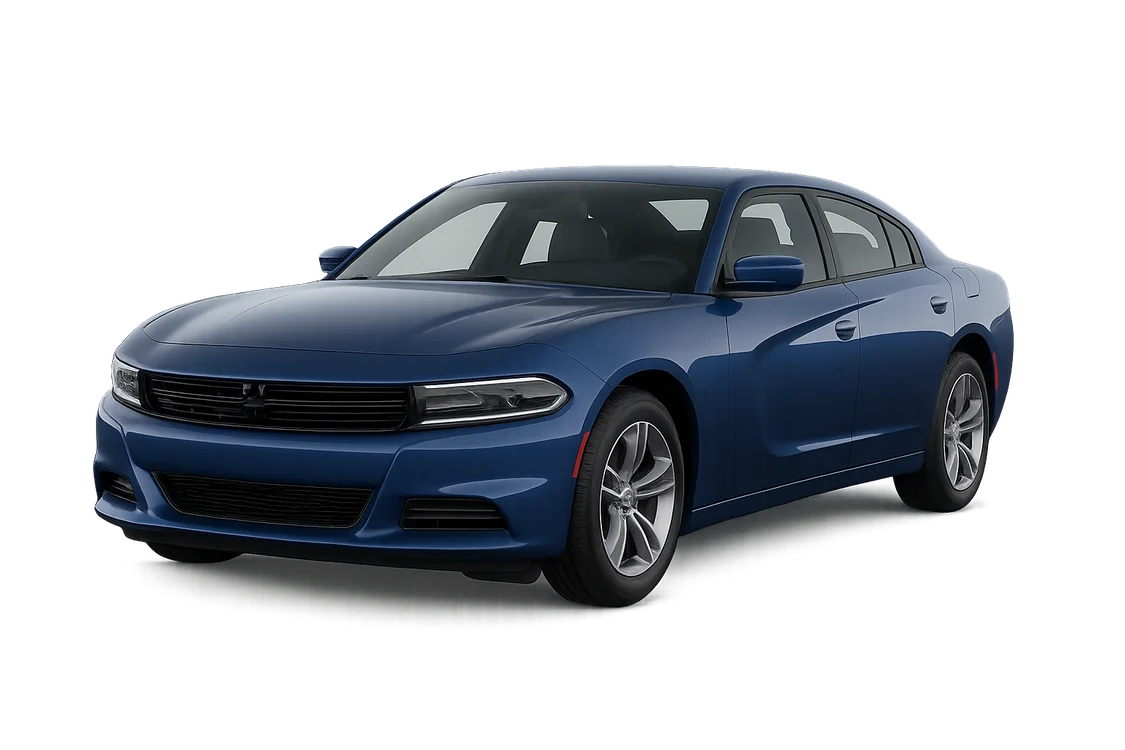
Key Specs Comparison
| Spec | Dodge Challenger | Dodge Charger |
|---|---|---|
| Horsepower | 425 hp | 492 hp✓ |
| Torque | 570 Nm | 644 Nm✓ |
| 0–100 km/h | 5.4 s | 4.6 s✓ |
| Weight | 1878 kg✓ | 1994 kg |
How They Compare
- The Dodge Charger puts out 67 more horsepower (492 hp vs 425 hp).
- The Dodge Charger hits 0–60 mph 0.8 seconds faster (4.6s vs 5.4s).
- The Dodge Challenger is 116 kg lighter — 6% less weight to push around.
- The Dodge Charger delivers more torque: 644 Nm vs 570 Nm.
- The Dodge Charger runs a larger 6.4L engine versus the 6.1L unit in the Dodge Challenger.
- The Dodge Charger rides on a 108 mm longer wheelbase, which usually translates to more cabin room.
- At 5.10 m, the Dodge Charger is 8 cm longer than the Dodge Challenger — easier to live with in town for the shorter car.
Radar Comparison
Performance at a Glance
Expert Analysis
The Family Muscle Commuter
If you need a daily driver that accommodates the family, the four-door sedan configuration of the Charger makes the most sense. The stretched platform and longer wheelbase translate directly into enhanced cabin room, ensuring rear-seat passengers travel comfortably. The slightly shorter exterior dimensions of its sibling might make tight urban parking maneuvers a bit simpler, but the Charger remains the superior choice for buyers prioritizing practicality and passenger space during their daily commute.
The Raw Thrill Seeker
For the driving enthusiast focused purely on performance, the Challenger takes the crown. Carrying significantly less weight, the coupe enjoys a distinct power-to-weight advantage that helps it sprint from zero to 100 km/h in just 5.4 seconds. Shedding that mass also pays massive dividends through the corners, offering a noticeably more nimble and engaging experience on winding roads compared to the heavier sedan.
The Straight-Line Brute
The larger 6.4L engine under the hood of the Charger is built specifically for devastating straight-line acceleration. With an output of nearly 500 hp and a massive torque figure, this powerhouse blasts to 100 km/h in a mere 4.6 seconds. While the extra mass of the sedan dampens agility, the sheer force generated by the naturally aspirated V8 makes it an absolute rocket ship on the highway.
The Verdict
Families and commuters who need extra cabin space without sacrificing straight-line speed should buy the Dodge Charger. The four-door layout combined with massive torque creates a highly practical yet thrilling daily driver. Conversely, driving enthusiasts who crave a sharper, more lightweight experience should buy the Challenger. The reduced weight delivers a punchy acceleration run and ensures the classic two-door remains the most engaging option for weekend canyon carving.
Full Specifications
Engine
| Spec | Dodge Challenger | Dodge Charger |
|---|---|---|
| Power | 425 hp | 492 hp |
| Torque | 570 Nm | 644 Nm |
| Displacement | 6059 cc | 6417 cc |
Performance
| Spec | Dodge Challenger | Dodge Charger |
|---|---|---|
| 0–100 km/h | 5.4 s | 4.6 s |
Efficiency
| Spec | Dodge Challenger | Dodge Charger |
|---|
Dimensions & Weight
| Spec | Dodge Challenger | Dodge Charger |
|---|---|---|
| Length | 5020 mm | 5100 mm |
| Width | 1920 mm | 1905 mm |
| Height | 1450 mm | 1480 mm |
| Wheelbase | 2950 mm | 3058 mm |
| Curb Weight | 1878 kg | 1994 kg |
Capacity
| Spec | Dodge Challenger | Dodge Charger |
|---|
Drivetrain
| Spec | Dodge Challenger | Dodge Charger |
|---|---|---|
| Drive Type | Rear wheel drive | Rear wheel drive |
| Transmission | Automatic | Automatic |
| Body Type | — | Sedan |
Verdict
🏆 Dodge Charger 6.4 AT
52 vs 49 points
The Dodge Charger edges ahead on overall specs. The Dodge wins on: power, performance, comfort.
Frequently Asked Questions
Which is faster, the Dodge Challenger or the Dodge Charger?
The Dodge Charger is quicker, reaching 60 mph in 4.6s versus 5.4s for the Dodge Challenger.
Which has more power, the Dodge Challenger or the Dodge Charger?
The Dodge Charger produces 492 hp, 67 hp more than the Dodge Challenger's 425 hp.